The short answer
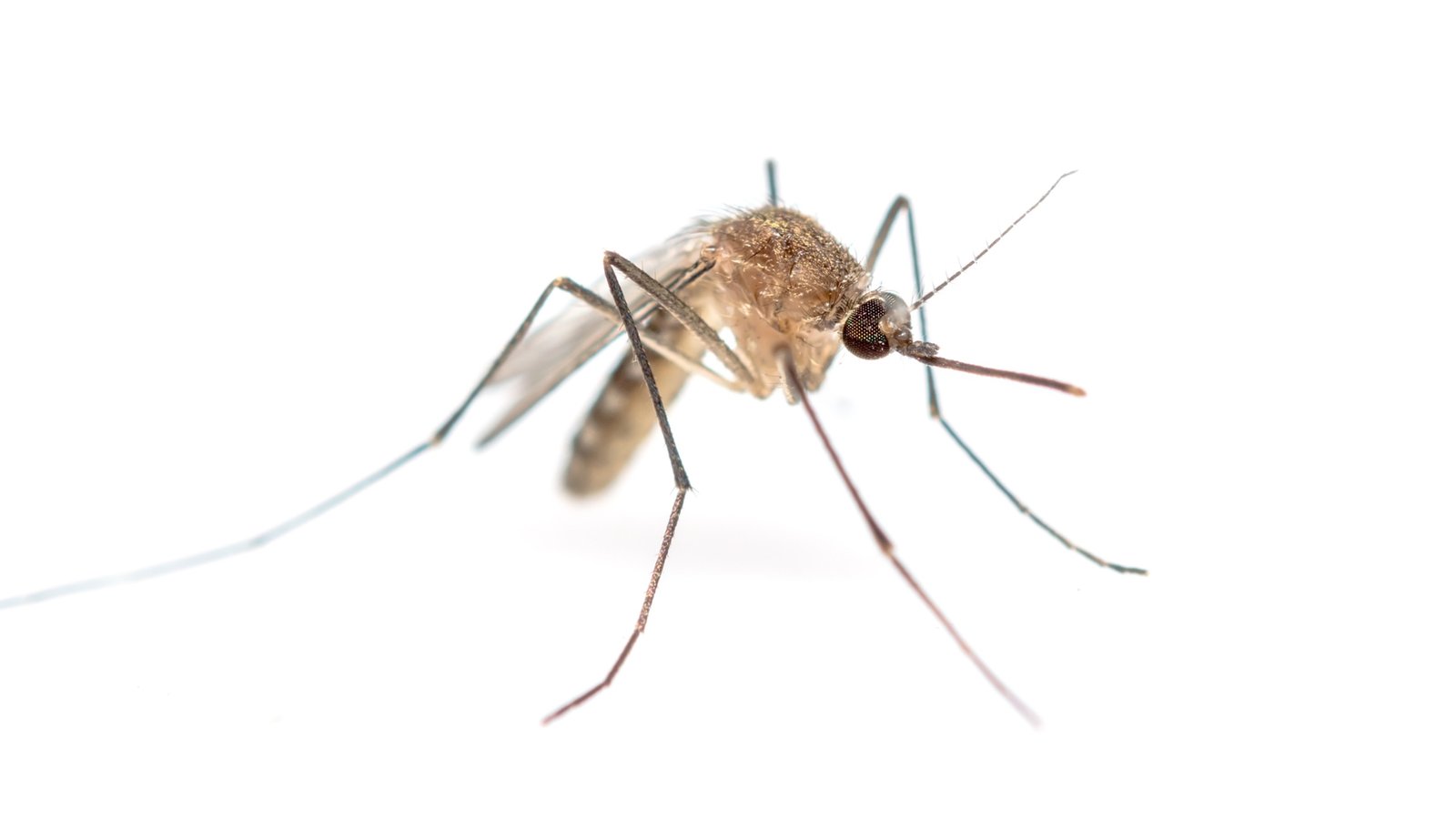
Most mosquitoes are a nuisance, not a health threat. Of the more than 200 mosquito species that live across the continental US and its territories, only about 12 are known to spread germs that can make people sick [1]. The rest bite, itch, and ruin an evening on the porch, but they do not carry the viruses and parasites that cause disease in people.
The mosquitoes that do matter for public health fall into a short list of groups: a few Culex species (West Nile and St. Louis encephalitis), the two invasive Aedes species aegypti and albopictus (dengue, Zika, chikungunya), one native treehole mosquito (La Crosse), one swamp mosquito that keeps eastern equine encephalitis circulating in birds, and two Anopheles species that can carry malaria [1]. Knowing which is which helps you judge real risk instead of worrying about every bite.
The main vector species and what they carry
The table below covers the species that matter most for disease in the US. “Can carry” means the mosquito is a recognized vector, not that any given individual is infected. In practice, the share of wild mosquitoes carrying a virus is usually very low, which is why the calm framing above holds.
| Mosquito | What it can carry | Notes |
|---|---|---|
| Culex pipiens and Culex quinquefasciatus (northern and southern house mosquitoes) | West Nile virus, St. Louis encephalitis virus [1], [2], [8] | Principal West Nile and St. Louis encephalitis vectors in much of the eastern and southern US. They feed on birds and people, which lets these viruses move from wild birds into humans [1], [2]. |
| Culex tarsalis (western encephalitis mosquito) | West Nile virus, western equine encephalitis virus, St. Louis encephalitis virus [1], [3], [4] | The main West Nile vector across western regions; also the primary vector of western equine encephalitis. Common in rural and agricultural areas [3], [4]. |
| Aedes aegypti (yellow fever mosquito) | Dengue, Zika, chikungunya (and yellow fever) [5], [1] | The primary global vector for these viruses. A daytime biter tied to people and urban containers. Established across the southern US [5]. |
| Aedes albopictus (Asian tiger mosquito) | Dengue, Zika, chikungunya [5], [6] | Competent vector for more than 20 arboviruses in the lab; an important secondary vector where Aedes aegypti is absent. Now found well into the northeastern US [5], [6]. |
| Aedes triseriatus (eastern treehole mosquito) | La Crosse encephalitis virus [7] | Primary vector of La Crosse virus, the leading cause of pediatric arboviral encephalitis in the US. A daytime, woodland biter that breeds in treeholes and containers [7]. |
| Culiseta melanura (black-tailed mosquito) | Eastern equine encephalitis virus (enzootic, mostly bird-to-bird) [9], [10] | The main enzootic vector that keeps eastern equine encephalitis circulating among birds in freshwater swamps. It feeds almost entirely on birds, so it rarely infects people directly; other “bridge” mosquitoes carry the virus to humans and horses [9], [10]. |
| Anopheles quadrimaculatus and Anopheles freeborni | Malaria (Plasmodium parasites) [1], [11] | Historical and potential malaria vectors: quadrimaculatus in the east, freeborni in the west. Local US malaria transmission is now rare, but these species are why occasional cases can still spread [1], [11]. |
Why only some mosquitoes are vectors
It is easy to assume any biting mosquito can pass on any disease. It cannot. Three things have to line up.
First, vector competence. A mosquito has to be biologically able to pick up a pathogen, let it survive and multiply inside its body, and then pass it on in saliva at the next bite. Many species simply cannot support a given virus; the pathogen hits internal barriers (in the gut or salivary glands) and never makes it back out. Laboratory and field studies measure this species by species, which is how researchers identify, for example, Culex tarsalis and the Culex pipiens complex as efficient West Nile vectors while other mosquitoes are not [3], [8].
Second, feeding habits. A virus like West Nile or eastern equine encephalitis lives in wild birds. To move that virus into people, a mosquito has to bite both birds and mammals. Culex species that feed on both are effective bridges [1], [2]. Culiseta melanura, by contrast, is a highly competent eastern equine encephalitis vector but feeds almost exclusively on birds, so on its own it mostly keeps the virus cycling among birds rather than spilling it into people [9], [10].
Third, the pathogen’s own biology and the local cycle. A virus or parasite needs a reservoir host to circulate in and enough warm days for it to develop inside the mosquito. Where the reservoir, the competent mosquito, and the climate all overlap, transmission is possible. Where any piece is missing, even an abundant biting mosquito poses little disease risk.
The nuisance majority
The large majority of US mosquito species are not on any vector list. They are nuisance mosquitoes: they bite and cause welts, but they do not spread germs that make people sick [1]. Aggressive floodwater biters such as Aedes vexans and the large Psorophora species are classic examples of mosquitoes that dominate summer bite counts without being important disease carriers for people.
This is worth holding onto. A yard full of mosquitoes is unpleasant, but abundance is not the same as danger. The species that drive disease are a small, well-studied subset, and whether they are even present depends heavily on your region, habitat, and season.
What this means for you
The practical takeaway is reassuring and simple: for the vast majority of bites in most places, the risk of catching a disease is low. The species that matter are limited, and infection rates in wild mosquitoes are usually small.
That said, you do not need to identify the mosquito biting you to protect yourself, because the defense is the same for all of them. Preventing bites is the common thread. Use an EPA-registered repellent, wear long sleeves and pants when mosquitoes are active, and remove standing water around your home so mosquitoes have nowhere to breed. Those steps work against nuisance mosquitoes and vector species alike, which is why bite prevention, not species anxiety, is the thing worth your attention.
If you want to know which specific mosquitoes and diseases are relevant where you live, the regional and disease pages below go deeper.
Sources
- Centers for Disease Control and Prevention, “About Mosquitoes in the United States” (over 200 species in the US; about 12 spread germs; nuisance mosquitoes do not; names Aedes aegypti, Culex pipiens/tarsalis/quinquefasciatus, Anopheles freeborni/quadrimaculatus). https://www.cdc.gov/mosquitoes/about/about-mosquitoes-in-the-united-states.html (accessed 2026-07-20)
- Centers for Disease Control and Prevention, “Transmission of St. Louis Encephalitis Virus” (Culex vectors including Cx. pipiens and Cx. quinquefasciatus; bird-mosquito cycle). https://www.cdc.gov/sle/php/transmission/index.html (accessed 2026-07-20, via search snippet; page returned HTTP 403 on direct fetch)
- Centers for Disease Control and Prevention, “Clinical Features, Diagnosis, and Treatment of Western Equine Encephalitis” (Culex tarsalis is the primary WEE vector in North America). https://www.cdc.gov/wee/hcp/clinical-diagnosis-treatment/index.html (accessed 2026-07-20)
- Kwan JL et al., “Long-term surveillance defines spatial and temporal patterns implicating Culex tarsalis as the primary vector of West Nile virus,” PMC (Cx. tarsalis as primary WNV vector; rural habitat). https://www.ncbi.nlm.nih.gov/pmc/articles/PMC6488619/ (accessed 2026-07-20)
- Centers for Disease Control and Prevention, “Surveillance and Control of Aedes aegypti and Aedes albopictus in the United States” (both are primary/important vectors of dengue, chikungunya, Zika, yellow fever; US distribution). https://www.cdc.gov/mosquitoes/pdfs/mosquito-control-508.pdf (accessed 2026-07-20)
- Kholodova SO et al., “Vector Competence of Aedes albopictus Populations from the Northeastern United States for Chikungunya, Dengue, and Zika Viruses,” PMC (Ae. albopictus competent for these viruses in the northeastern US). https://pmc.ncbi.nlm.nih.gov/articles/PMC7941830/ (accessed 2026-07-20)
- Minnesota Department of Health, “La Crosse Encephalitis Fact Sheet” (Aedes triseriatus, the eastern treehole mosquito, is the primary vector; leading cause of pediatric arboviral encephalitis). https://www.health.state.mn.us/diseases/lacencephalitis/lc.html (accessed 2026-07-20)
- Farajollahi A et al., “‘Bird biting’ mosquitoes and human disease: Members of the Culex pipiens complex as vectors of viruses,” PubMed (Cx. pipiens/quinquefasciatus/tarsalis as WNV and SLEV vectors). https://pubmed.ncbi.nlm.nih.gov/23401952/ (accessed 2026-07-20)
- Centers for Disease Control and Prevention, “Guidelines for Eastern Equine Encephalitis Virus Surveillance and Control” (Culiseta melanura is the primary enzootic vector, feeds mainly on birds; bridge vectors transmit to people and horses). https://www.cdc.gov/eastern-equine-encephalitis/php/surveillance-and-control-guidelines/ (accessed 2026-07-20)
- Molaei G et al., “Vector-Host Interactions of Culiseta melanura in a Focus of Eastern Equine Encephalitis Virus Activity,” PMC (Cs. melanura feeds almost exclusively on birds; primary enzootic EEE vector). https://www.ncbi.nlm.nih.gov/pmc/articles/PMC4556703/ (accessed 2026-07-20)
- Hertig E et al. / “Malaria in the USA: How Vulnerable Are We to Future Outbreaks?”, PMC (An. quadrimaculatus in the east and An. freeborni in the west as US malaria vectors). https://pmc.ncbi.nlm.nih.gov/articles/PMC7808401/ (accessed 2026-07-20)
Related
- Culex pipiens (northern house mosquito)
- Culex quinquefasciatus (southern house mosquito)
- Culex tarsalis (western encephalitis mosquito)
- Aedes aegypti (yellow fever mosquito)
- Aedes albopictus (Asian tiger mosquito)
- Aedes triseriatus (eastern treehole mosquito)
- Culiseta melanura (black-tailed mosquito)
- Anopheles quadrimaculatus (common malaria mosquito)
- West Nile virus
- St. Louis encephalitis
- Western equine encephalitis
- Eastern equine encephalitis
- La Crosse encephalitis
- Dengue
- Zika virus
- Chikungunya
- Malaria
- How mosquito disease transmission works
Educational note: This page is a general science reference, not medical advice. If you have symptoms after mosquito bites or questions about disease risk where you live, contact a healthcare provider or your local health department.
Last reviewed 20 July 2026.