The short answer
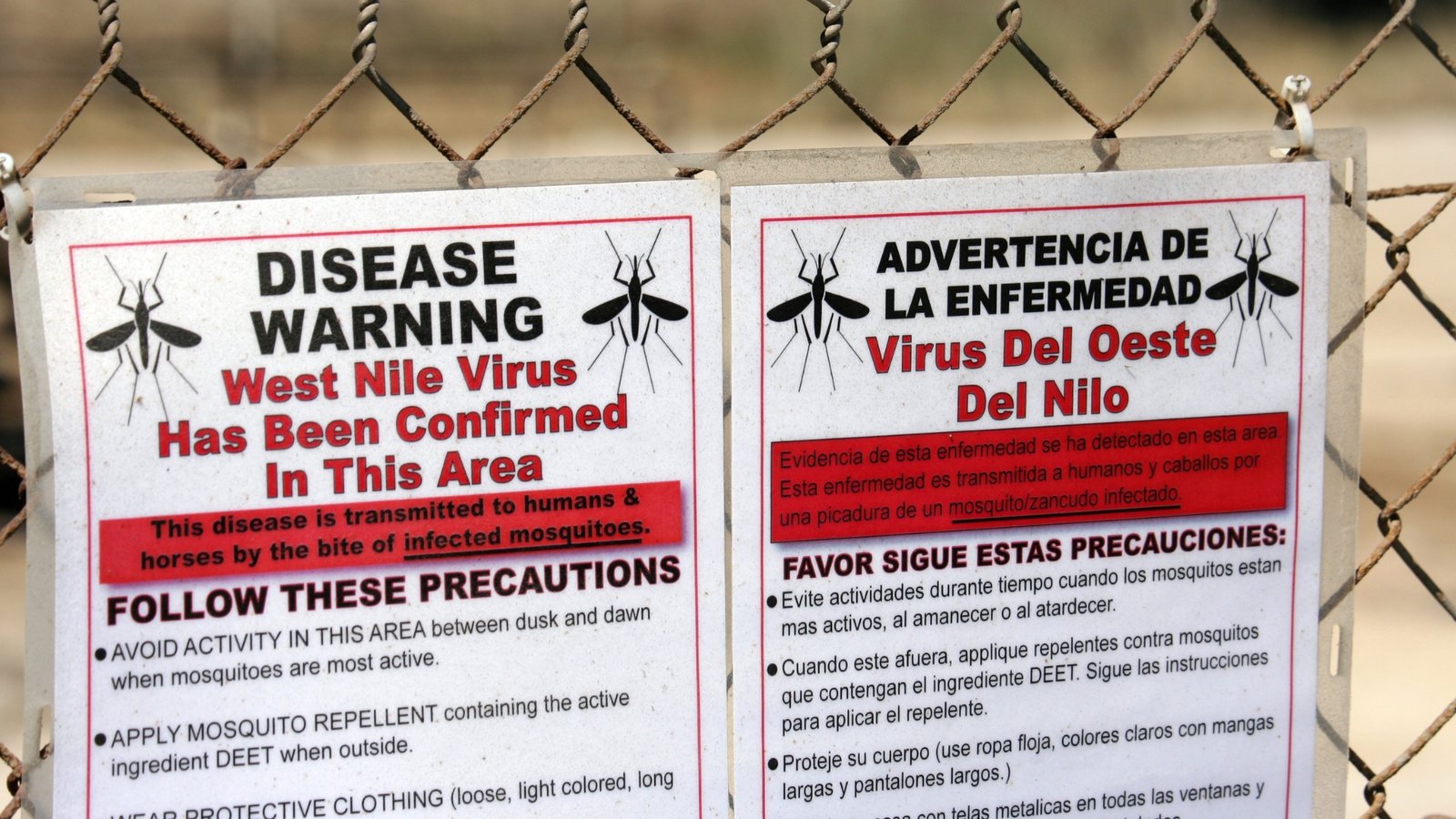
West Nile is the most common mosquito-borne illness in the country, but for most people it is far less scary than it sounds. About 8 in 10 people who get infected never feel sick at all. A small number get seriously ill, and knowing whether you are in that group is what actually matters.
The short version: You catch it from the bite of an infected Culex mosquito, not from other people. Most infections cause no symptoms. About 1 in 5 people get a fever and flu-like illness. Fewer than 1 in 100 develop a serious brain or nervous-system illness, and that risk climbs sharply with age.
What it is
West Nile virus is the leading cause of mosquito-borne disease in the continental region. It first appeared here in 1999, in New York City, and within a few years had spread across the country. Today it turns up somewhere nearly every summer.
The virus does not live in mosquitoes alone. It cycles between birds and mosquitoes, with birds acting as the reservoir that keeps it going. Mosquitoes pick it up when they bite an infected bird, then pass it on when they bite again.
How you get it
A specific group of mosquitoes does the spreading: Culex species, especially the northern and southern house mosquitoes (Culex pipiens and Culex quinquefasciatus) and the western encephalitis mosquito (Culex tarsalis). These are common backyard mosquitoes that bite mostly around dusk and after dark.
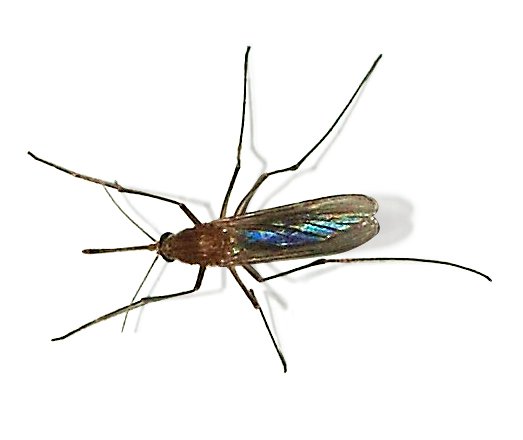
You cannot catch West Nile from another person through touching, kissing, or caring for someone who is sick. In rare cases it has spread through blood transfusion, organ transplant, and from a pregnant person to their baby, but the ordinary way people get it is a mosquito bite. People and horses are dead-end hosts: we can get sick, but we do not carry enough virus to infect a mosquito that bites us.
Symptoms
The same infection can mean nothing at all for one person and a hospital stay for another. Here is how the odds break down:
- About 8 in 10 (80%) of infected people never develop any symptoms and never know they were exposed.
- About 1 in 5 (20%) develop a febrile illness: fever with headache, body aches, joint pain, vomiting, diarrhea, or a rash. Most recover fully, though tiredness and weakness can linger for weeks.
- Fewer than 1% develop neuroinvasive disease (meningitis, encephalitis, or acute flaccid myelitis), which can be life-threatening. About 1 in 10 of those cases is fatal.
Who is at higher risk
Age is the single biggest factor. Serious illness is uncommon in younger, healthy people and becomes much more likely with age. In blood-donor studies, about 2% of infected people aged 65 and older went on to develop neuroinvasive disease, compared with under half a percent of people younger than 65.
People at greater risk of severe illness include adults over about 60, people with cancer, diabetes, high blood pressure, or kidney disease, and people who have received an organ transplant.
When to see a doctor: Get medical care right away for high fever with a severe headache, a stiff neck, confusion, muscle weakness, or trouble with balance, especially in an older adult. These can be signs of the serious form.
Diagnosis and treatment
There is no human vaccine for West Nile virus and no specific antiviral medicine that cures it. Care is supportive: rest, fluids, and pain relievers for mild cases, and hospital care for the serious ones, which may include IV fluids and help with breathing. Because most people recover on their own, the practical priority is protecting the people most likely to get seriously ill.
Doctors confirm West Nile with a blood or spinal-fluid test when symptoms and timing point to it. If you think you may have it, that is a conversation for a healthcare professional, not a self-diagnosis.
How to protect yourself
Because there is no vaccine, prevention comes down to not getting bitten and not letting the mosquitoes breed near you.
- Use an EPA-registered repellent (DEET, picaridin, IR3535, or oil of lemon eucalyptus) on exposed skin. See our repellent guide
- Empty standing water weekly, since Culex mosquitoes breed in it: buckets, gutters, birdbaths, old tires. See our source-reduction checklist
- Repair window and door screens to keep them out of the house.
- Take extra care around dusk and after dark, when these mosquitoes are most active.
Sources
- Centers for Disease Control and Prevention. Symptoms of West Nile. https://www.cdc.gov/west-nile-virus/signs-symptoms/index.html. Accessed 20 Jul 2026. (About 8 in 10 infected people have no symptoms; about 1 in 5 develop febrile illness; fewer than 1% develop severe neuroinvasive disease.)
- Centers for Disease Control and Prevention. Clinical Signs and Symptoms of West Nile Virus Disease. https://www.cdc.gov/west-nile-virus/hcp/clinical-signs/index.html. Accessed 20 Jul 2026. (Age-specific neuroinvasive risk; about 10% case fatality among neuroinvasive cases.)
- Centers for Disease Control and Prevention. Surveillance for West Nile Virus Disease, United States, 2009 to 2018. MMWR Surveill Summ 2021;70(SS-1). https://www.cdc.gov/mmwr/volumes/70/ss/ss7001a1.htm. Accessed 20 Jul 2026. (Leading arboviral cause; Culex vectors.)
- Petersen LR, Brault AC, Nasci RS. West Nile Virus in the United States: A Historical Perspective. https://www.ncbi.nlm.nih.gov/pmc/articles/PMC3967162/. Accessed 20 Jul 2026. (First detection in 1999.)
- Centers for Disease Control and Prevention. Guidelines for West Nile Virus Surveillance and Control. https://www.cdc.gov/west-nile-virus/php/surveillance-and-control-guidelines/. Accessed 20 Jul 2026. (No human vaccine; prevention through mosquito control and personal protection.)
Related
- Culex pipiens (northern house mosquito)
- Culex tarsalis (western encephalitis mosquito)
- St. Louis encephalitis
- Choosing and using insect repellent
- How to remove standing water around your home
- When mosquito season peaks
Educational reference only. This is not medical advice and cannot diagnose you. If you have symptoms after a mosquito bite, contact a healthcare professional.
Last reviewed 20 July 2026.