The short answer
An automatic misting system is a set of nozzles installed around a yard that sprays insecticide on a timer. A reservoir of pyrethrin or a synthetic pyrethroid is pumped through tubing and released as a fine mist at preset intervals, or on demand by remote.
Mosquito scientists and mosquito-control organizations generally advise against them. The core problem is that they release insecticide on a schedule whether or not mosquitoes are present, which is the opposite of how professional programs decide when to spray. Routine, unmonitored spraying raises three specific concerns: it speeds up insecticide resistance, it harms pollinators and other beneficial insects, and it exposes people, pets, and neighboring properties to pesticide drift. The American Mosquito Control Association states plainly that misting systems “should be discouraged” until they are reconfigured so that surveillance drives the spraying, efficacy is demonstrated, and drift is minimized (AMCA, Position on Misting Systems).
The short version: These systems spray insecticide around a yard on a timer, not when mosquitoes are actually there. That routine spraying is why mosquito-control groups discourage them, because it drives resistance, kills beneficial insects, and drifts off the property, while doing nothing about the standing water where the next generation is growing.
How they work
A misting system is a permanent installation. Spray nozzles are mounted around the perimeter of a home, in the lawn or landscaping, or fixed to parts of the house or fence, and each nozzle is connected by tubing back to a central supply of insecticide (EPA, Mosquito Misting Systems). A pump pushes the liquid through the tubing, and the nozzles atomize it into a fine mist over the yard.
The system runs on a schedule. Most units spray at preset intervals using a timer, and many can also be triggered remotely or by hand (EPA, Mosquito Misting Systems). A common setup fires several short bursts a day, for example around dawn and dusk, regardless of what is happening in the yard at that moment.
The insecticide in the reservoir is almost always from the pyrethroid family. The products most often used contain pyrethrins (the natural compound derived from chrysanthemum flowers) or permethrin (a synthetic pyrethroid), and they frequently include piperonyl butoxide, a synergist that keeps the insect from breaking the insecticide down (EPA, Mosquito Misting Systems). Some systems instead use minimum-risk products such as essential-oil formulations (EPA, Mosquito Misting Systems). The CDC likewise describes misting systems as spraying EPA-registered insecticides such as natural pyrethrins and synthetic pyrethroids (CDC, Misting Systems for Mosquitoes).
Do they work
They can knock down the adult mosquitoes that happen to be flying in the yard when a spray fires, because pyrethrins and permethrin kill insects on contact. But that is a narrow and temporary effect, and the evidence for real-world mosquito control is thin. The EPA’s assessment is direct: outdoor residential misting systems “have not yet been studied sufficiently to document their effectiveness in controlling mosquitoes or other yard and garden pests,” and they “have not been scientifically proven to control or prevent the spread of West Nile Virus or other diseases” (EPA, Mosquito Misting Systems).
Two structural limits explain the gap. First, the system sprays on a schedule rather than on need. It fires at its programmed times whether the yard is full of mosquitoes or empty, so most of the insecticide it releases is not hitting any target. Professional mosquito control does the opposite: pesticides are meant to be used only when monitoring shows mosquito numbers high enough to matter, and misting systems carry out no such surveillance (AMCA, Position on Misting Systems; Oregon State University Extension, Mosquito Control Using Outdoor Automated Misting Systems, as reported in search results).
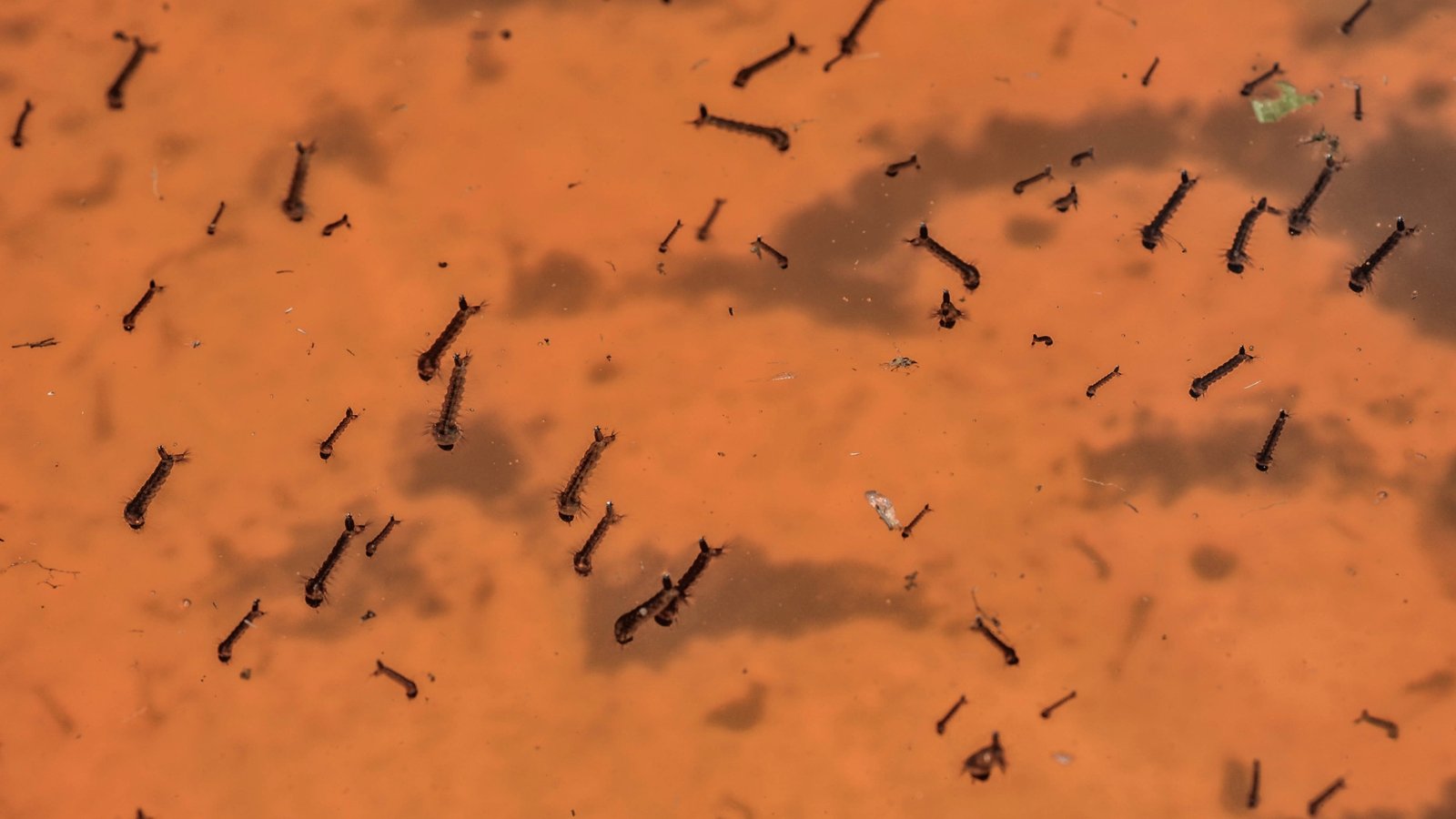
Second, misting does nothing about breeding. The mist stays in the air and lands on surfaces; it does not treat the standing water where eggs and larvae are developing. So even a spray that kills every adult present is followed by a fresh wave of mosquitoes emerging from nearby water and from off the property. Lasting relief comes from removing the water sources, which a misting system does not touch.
The concerns
Routine broadcast of insecticide. The central objection is the model itself. Dispensing pesticide at predetermined intervals without surveillance data guiding the treatment is, in the AMCA’s words, “not consistent with the sound Integrated Mosquito Management practices” (AMCA, Position on Misting Systems). Every scheduled spray puts insecticide into the environment whether it is needed or not.
Harm to pollinators and beneficial insects. Pyrethrins and permethrin are toxic to all insects, not just mosquitoes, so they can kill honeybees, ladybugs, butterflies, and other beneficial and non-target species (EPA, Mosquito Misting Systems). Because the systems spray on a fixed schedule rather than at night when pollinators are inactive, they are more likely to catch beneficial insects while those insects are out foraging.
Resistance from repeated exposure. Constant low-level dosing is close to the ideal recipe for breeding resistant mosquitoes. Using the same insecticide repeatedly selects for mosquitoes that survive it, until the product only partly works or stops working (CDC, Misting Systems for Mosquitoes). The AMCA warns that indiscriminate application of pyrethrins “will continually select for resistance to the whole pyrethroid class of mosquitocides,” which all share the same mode of action, and that losing these compounds would seriously compromise the ability to control adult mosquitoes when it actually matters (AMCA, Position on Misting Systems).
Drift and exposure. The mist does not stay neatly on the property. Systems can affect beneficial populations and non-target organisms through uncontrolled off-site drift onto neighboring yards (AMCA, Position on Misting Systems). People and pets can be exposed by direct contact with the spray, by touching treated plants and surfaces, or by inhaling small amounts of pesticide left in the air (EPA, Mosquito Misting Systems). The EPA’s baseline caution applies: no pesticide should be regarded as 100 percent risk free (EPA, Mosquito Misting Systems).
Cost. These are installed, permanent systems with an upfront purchase and installation cost, plus ongoing spending to refill the insecticide reservoir on a recurring basis, for a method whose effectiveness the EPA says has not been documented (EPA, Mosquito Misting Systems).
The better approach
The method mosquito scientists recommend is integrated mosquito management, and it starts with the step misting skips: source reduction. Removing standing water where mosquitoes lay eggs eliminates the next generation before it can fly, which is both more effective and cheaper than repeatedly spraying the adults that are already here. See our guide to removing standing water and source reduction.
From there, targeted methods do the work that broadcast spraying does poorly. Larvicides such as Bti treat the water that cannot be drained, killing larvae without harming other aquatic life, and adulticiding is reserved for when surveillance shows it is genuinely warranted (CDC, Misting Systems for Mosquitoes; Oregon State University Extension, Mosquito Control Using Outdoor Automated Misting Systems, as reported in search results). The common thread is that spraying happens in response to monitoring, not on a clock. For everyday personal protection, screens, repellents, and long clothing prevent bites without putting insecticide into the yard at all.
Sources
- American Mosquito Control Association. Position on Misting Systems. https://www.mosquito.org/position-on-misting-systems/. Accessed 20 Jul 2026. (Dispensing pesticides at predetermined intervals without surveillance is not consistent with sound integrated mosquito management; indiscriminate pyrethrin use selects for resistance across the whole pyrethroid class; negative impact on beneficial insects and non-target organisms through uncontrolled off-site drift; systems should be discouraged until surveillance drives application, efficacy is demonstrated, and drift is minimized.)
- U.S. Environmental Protection Agency. Mosquito Misting Systems. https://www.epa.gov/mosquitocontrol/mosquito-misting-systems. Accessed 20 Jul 2026. (Nozzles mounted around a home connected by tubing to an insecticide supply, spraying at preset intervals by timer or remote; products most often contain pyrethrins and permethrin, sometimes piperonyl butoxide or minimum-risk pesticides; not yet studied sufficiently to document effectiveness and not scientifically proven to control West Nile virus or other diseases; toxic to all insects including honeybees, ladybugs, and butterflies; exposure by contact, touching treated surfaces, or inhalation; no pesticide is 100 percent risk free.)
- Centers for Disease Control and Prevention. Misting Systems for Mosquitoes. https://www.cdc.gov/mosquitoes/mosquito-control/misting-systems-for-mosquitoes.html. Accessed 20 Jul 2026 (page returned HTTP 403; content from CDC search-result text). (Misting systems spray EPA-registered insecticides such as natural pyrethrins and synthetic pyrethroids; repeated use of the same product leads to insecticide resistance; integrated mosquito management combines surveillance, source reduction, larval control, and resistance monitoring.)
- Oregon State University Extension Service. Mosquito Control Using Outdoor Automated Misting Systems. https://extension.oregonstate.edu/families-health/healthy-homes/mosquito-control-using-outdoor-automated-misting-systems. Accessed 20 Jul 2026 (page returned HTTP 403; content from search-result text). (Systems disperse synergized pyrethrins at predetermined intervals and do not monitor mosquito populations; pesticides should be used only when populations present a possible health hazard; potential to harm beneficial insects and non-target organisms through off-site drift; alternatives include Bti larvicides and biological control.)
Related
- Removing standing water and source reduction
- Adulticides: how mosquito spraying works
- Backyard foggers
- Bti mosquito dunks and larvicides
- West Nile virus
Educational reference only. This page explains how these systems work and why mosquito-control experts view them the way they do; it is not a recommendation to install or apply any pesticide yourself. Follow the guidance of your local mosquito control district or health department, and always read and follow pesticide labels.
Last reviewed 20 July 2026.