Short answer
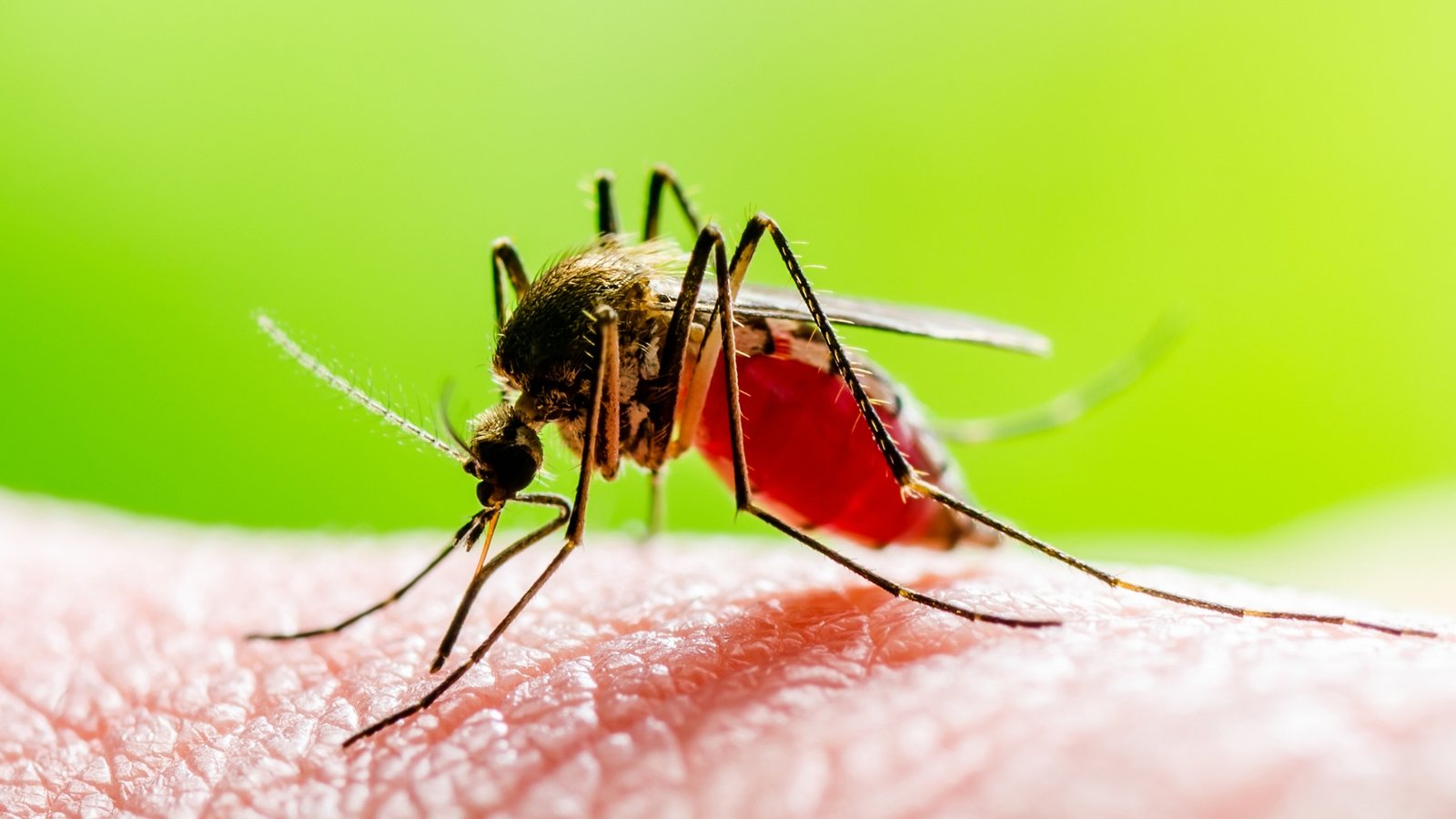
A lot of animals eat mosquitoes. Dragonflies, small fish, birds, bats, frogs, spiders, and even some mosquito larvae all feed on them at one stage of life or another. That is the good news. The honest news is that none of these predators eats enough mosquitoes to control a local population or to protect you from bites. Mosquitoes lay eggs faster than predators can remove them, and most predators treat mosquitoes as a minor snack rather than a staple food. Predators are a real and useful part of the ecosystem. They are not a mosquito control plan.
Aquatic predators of larvae
Mosquitoes spend their first days as larvae and pupae in standing water, so the water is where most of the eating happens. The predators that live there are the ones that matter most for numbers.
Small fish. Where fish can reach mosquito larvae, they eat a lot of them. The mosquitofish (Gambusia) is the best known example. One adult mosquitofish can eat up to 100 mosquito larvae a day, which is why mosquito control districts have used it in ponds and ditches for decades (Source 1). There is a catch. Mosquitofish are aggressive generalists that also eat native fish eggs, tadpoles, and other insects, and university extension specialists now warn against dropping them into natural waterways or backyard ponds because of the damage they do to native wildlife (Source 2). See the mosquitofish species page for more.
Dragonfly and damselfly nymphs. The young, underwater stage of a dragonfly is a fierce ambush predator with an extendable lower jaw. In one controlled semi-field study, individual dragonfly nymphs ate about 9.6 mosquito larvae per day, more than the other predators tested alongside them (Source 3).
Backswimmers and predaceous diving beetles. These aquatic insects hunt in the same water. In that same study, backswimmer nymphs ate about 7 mosquito larvae per day and diving beetles about 3 per day (Source 3). Diving beetle larvae, sometimes called water tigers, are predators too.
Other mosquito larvae. A few mosquitoes eat their own kind. The elephant mosquito (Toxorhynchites) is the standout. Its larvae are predators on other mosquito larvae, and a single larva may eat thousands of prey items over its development (Source 4). It sounds like the perfect solution, but field studies tell a more modest story: in south Florida tree holes and tires, mosquitoes made up only about 5 to 6 percent of what Toxorhynchites larvae actually ate, and using it alone has had limited success against mosquito populations (Source 4). See the elephant mosquito species page.
Predators of adults
Once a mosquito takes wing, a different set of animals goes after it.
Dragonflies and damselflies. As adults they hawk flying insects out of the air, mosquitoes among them. The problem is timing. Adult dragonflies feed mostly by day, when most biting mosquitoes are resting in shade and grass, so the overlap is smaller than it looks.
Birds. Purple martins have a folk reputation as mosquito destroyers that the science does not support. A three-year diet study at the Purple Martin Conservation Association headquarters failed to find a single mosquito among 350 diet samples, and its founder, ornithologist James Hill, states plainly that martins do not control mosquitoes (Source 5). Wild studies put mosquitoes at no more than a few percent of a martin’s diet (Source 6).
Bats. Bats do eat mosquitoes, but mosquitoes are low-value prey compared with beetles and moths. Across every wild-caught study to date, mosquitoes have made up less than 1 percent of bat gut contents, and diet analyses of little brown bats found mosquitoes at under 2 percent (Sources 5, 6). Researchers conclude there is no evidence that boosting bat numbers reduces how often people get bitten (Source 6).
Spiders and frogs. Web-building spiders catch the occasional mosquito, and frogs and their tadpoles eat some as well. Both are incidental predators, not population regulators.
Why predators do not solve the problem
The reason comes down to arithmetic. A single female mosquito can lay a batch of 100 to 300 eggs and go on to lay a new batch roughly every third night through her life (Source 7). In warm weather, eggs can become biting adults in a week or two (Source 7). A pond can produce mosquitoes far faster than the local dragonflies, fish, and bats can eat them, and most of those predators would rather eat something else anyway. That is why wildlife agencies and mosquito control associations say the same thing: encouraging predators is good for a healthy ecosystem, but it is not a reliable way to reduce mosquito numbers or bites (Sources 5, 6). For the full picture, see do natural predators control mosquitoes?.
Their role in the food web
None of this makes mosquito predators pointless. Larvae feed fish, amphibians, and aquatic insects. Adults feed birds, bats, dragonflies, and spiders. Mosquitoes move energy from tiny pools of water into the animals that eat them, and they do this in enormous numbers. Being eaten is one of the main things mosquitoes are for, ecologically speaking. To see how that fits into the bigger question of what mosquitoes are good for, read why do mosquitoes exist?.
Sources
- University of Florida IFAS Extension, “Eastern Mosquitofish, Gambusia holbrooki, for Control of Mosquito Larvae” (FA202). States one adult mosquitofish can eat up to 100 mosquito larvae a day and gives stocking rates. https://ask.ifas.ufl.edu/publication/FA202 (accessed 2026-07-20)
- Oregon State University Extension Service, “Experts warn against releasing non-native fish for mosquito control.” States that releasing mosquitofish is not effective for control and harms the environment, because Gambusia also eat native fish, amphibians, and invertebrates. https://extension.oregonstate.edu/news/experts-warn-against-releasing-non-native-fish-mosquito-control (accessed 2026-07-20; retrieved via search snippet, page returned HTTP 403)
- Peer-reviewed semi-field study, “Semi-field experiments reveal contrasted predation and movement patterns of aquatic macroinvertebrate predators of Anopheles larvae” (PMC11715231). Reports mean daily consumption of about 9.6 larvae by dragonfly nymphs, 7.0 by backswimmer nymphs, and 3.1 by diving beetles. Predators were identified to family level. https://pmc.ncbi.nlm.nih.gov/articles/PMC11715231/ (accessed 2026-07-20)
- University of Florida IFAS Extension, “Elephant mosquito Toxorhynchites rutilus” (EENY-787 / IN1380). States larvae are predaceous, a single larva may consume thousands of prey during development, mosquitoes were only about 5 to 6 percent of field prey in south Florida, and control use alone has had limited success. https://ask.ifas.ufl.edu/publication/IN1380 (accessed 2026-07-20)
- American Mosquito Control Association, Frequently Asked Questions. Quotes ornithologist James Hill that purple martins do not control mosquitoes, notes a 3-year study found no mosquitoes in 350 martin diet samples, and states mosquitoes have made up less than 1 percent of gut contents in all wild-caught bat studies to date. https://www.mosquito.org/page/FAQ (accessed 2026-07-20)
- University of Wisconsin-Madison, “Bats, birds, turtles, frogs, fish” (Wisconsin Mosquitoes and Mosquito-Borne Diseases). States purple martins do not control mosquitoes, reports little brown bat diet at about 1.8 percent mosquitoes, and finds no evidence that increasing bat numbers reduces human biting rates. https://mosquitosite.russell.wisc.edu/preventing-mosquito-bites/bats-and-birds/ (accessed 2026-07-20)
- American Mosquito Control Association, “Life Cycle.” States females lay 100 to 300 eggs per batch, may produce a raft of eggs about every third night, and that eggs hatch in 24 to 48 hours with larval and pupal stages completing in days under warm conditions. https://www.mosquito.org/life-cycle/ (accessed 2026-07-20)
Related
- Do natural predators control mosquitoes? (placeholder)
- Mosquitofish (Gambusia) (placeholder)
- Elephant mosquito (Toxorhynchites) (placeholder)
- Why do mosquitoes exist? (placeholder)
Educational note: This page is general reference information, not pest control or public health advice. For control of mosquitoes around your home or reports of mosquito-borne illness, contact your local mosquito control district or public health department.
Last reviewed 20 July 2026.