The short answer
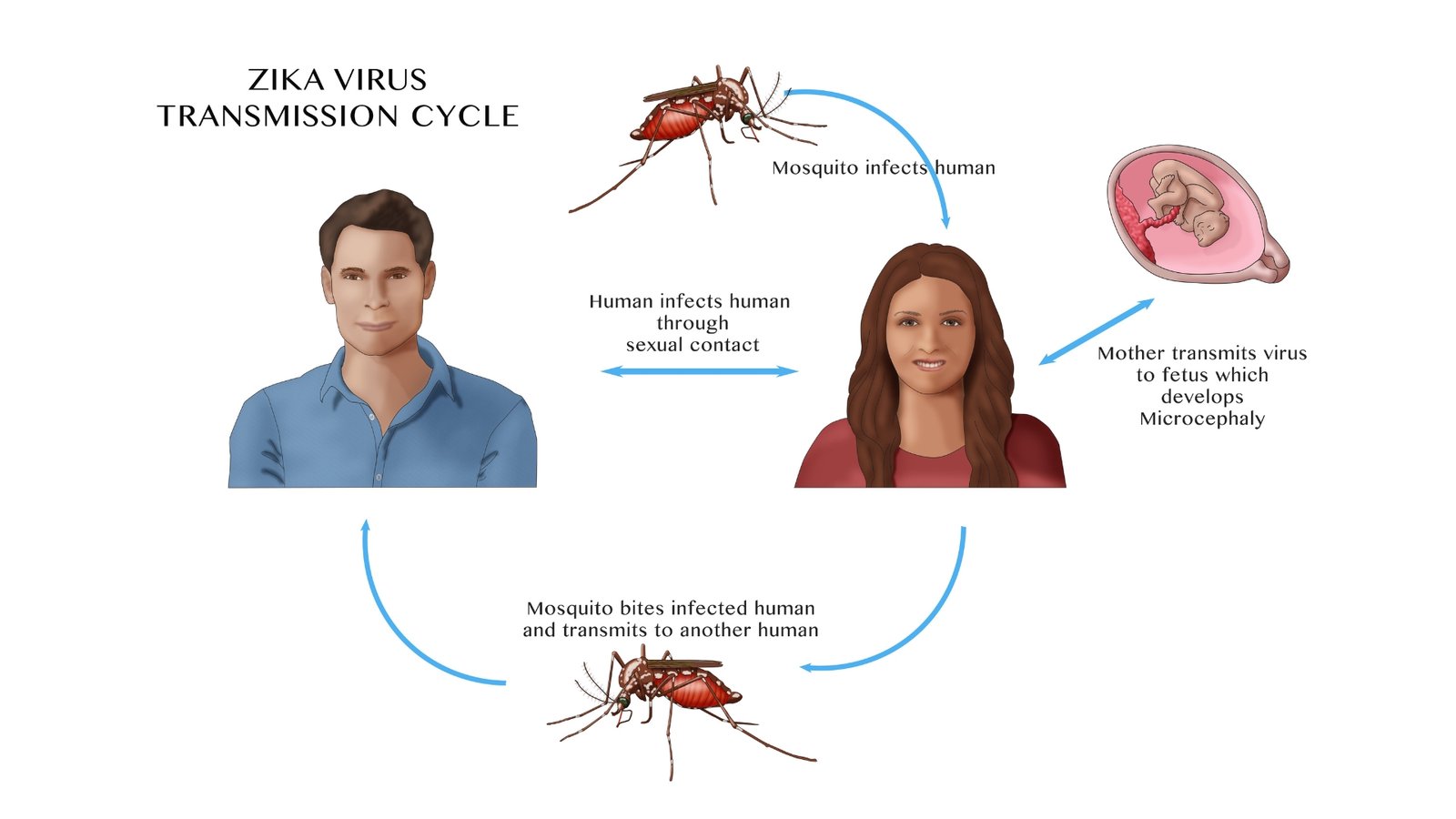
For most pregnant people in the United States, a routine mosquito bite in the backyard is not a cause for alarm. The one mosquito-borne infection that deserves real attention during pregnancy is Zika, because it can pass from a pregnant person to the fetus and cause serious birth defects. Your actual risk depends heavily on where you are and whether you travel. There are currently no areas with an active Zika travel health notice, but Zika still circulates in parts of the world, and pregnant people are advised not to travel to areas with a risk of Zika.
A few other mosquito-borne illnesses (West Nile, dengue, and malaria) carry their own concerns in pregnancy, but they are far less likely to cause the kind of birth defects Zika does. The practical takeaways are simple: know the risk where you live and where you travel, use an EPA-registered insect repellent (these are considered safe in pregnancy when used as directed), and talk with your obstetric provider about any travel plans.
Zika and pregnancy
Zika is the mosquito-borne infection that matters most in pregnancy. If a pregnant person is infected, the virus can cross the placenta and infect the fetus. This can cause birth defects of the brain and eye, including microcephaly (a smaller than expected head size that reflects a brain that did not develop as it should). These defects can appear alone or together in a pattern that doctors call congenital Zika syndrome. Congenital Zika infection has also been linked to miscarriage, stillbirth, and other developmental problems.
It is important to keep this in perspective without understating it. Zika does not harm every baby exposed to it before birth. Among pregnancies in U.S. states and territories with laboratory evidence of confirmed or possible Zika infection, Zika-associated birth defects were reported in about 1 in 20 babies (roughly 5 percent). Infection earlier in pregnancy, during the first and early second trimesters, has been linked to more severe outcomes. There is no treatment that reverses these effects and no vaccine, so prevention is the entire strategy.
At the moment the day-to-day risk in the continental United States is low. The large 2016 to 2017 outbreak has ended, and there are no active Zika travel health notices. But “low” is not “zero.” Zika still circulates in parts of Central and South America, the Caribbean, and other regions, so travel is where risk concentrates.
One point that is easy to miss: Zika can also spread through sex, not only through mosquito bites. The virus can pass from an infected partner (including a partner with no symptoms) through vaginal, anal, and possibly oral sex, and it persists longer in semen than in other body fluids. Because of this, CDC advises couples to use condoms consistently and correctly or to abstain from sex for the entire pregnancy if either partner may have been exposed to Zika. For couples trying to conceive, CDC advises a man with possible Zika exposure to wait at least 3 months after symptoms or last possible exposure before unprotected sex.
Other mosquito-borne illnesses in pregnancy
West Nile virus. West Nile is the most common mosquito-borne virus in the continental United States. The reassuring news is that the risk of passing it to a baby during pregnancy appears low, only a few newborn cases have ever been reported, and studies have not found a consistent pattern of birth defects after West Nile infection in pregnancy. The main concern is the mother’s own health, since West Nile can occasionally cause serious neurologic illness in anyone. Pregnant people should take the same bite-prevention steps everyone else does.
Dengue. Dengue is mainly a travel-related and territorial concern (including Puerto Rico and other U.S. territories), though local outbreaks occur in parts of the southern mainland. Dengue in pregnancy has been associated with poorer outcomes such as preterm birth, low birth weight, and, in severe cases, bleeding complications. The virus can be passed to the infant around the time of delivery, which is most likely when infection occurs late in pregnancy. If you have traveled somewhere with dengue and develop fever, tell your provider.
Malaria. Malaria is not present in the general U.S. mosquito population but is a serious risk for pregnant travelers to endemic regions. Pregnant people are more susceptible to malaria and to severe disease, and infection raises the risk of low birth weight, pregnancy loss, and preterm birth. CDC recommends preventive antimalarial medication for travelers to endemic areas, and this planning is especially important in pregnancy. If travel cannot be avoided, discuss chemoprophylaxis and bite prevention with your provider well before you go.
Is insect repellent safe during pregnancy
Yes. EPA-registered insect repellents, including those with DEET and picaridin, are considered safe to use during pregnancy and while breastfeeding when used according to the product label. This is the guidance from CDC, and the American College of Obstetricians and Gynecologists (ACOG) agrees, listing DEET, picaridin, IR3535, oil of lemon eucalyptus, paramenthane-diol, and 2-undecanone as safe options when used as directed.
This point causes a lot of unnecessary worry, so it is worth stating plainly. Studies of DEET use in the second and third trimesters have not found harmful effects on the mother or the baby. Public health experts consistently conclude that preventing a mosquito-borne infection is far safer for a pregnancy than avoiding repellent and risking a bite. “EPA-registered” simply means the product’s safety and effectiveness have been reviewed by the Environmental Protection Agency; you can find the active ingredient and its concentration on the label. As with any product, follow the label: apply to exposed skin and clothing, not under clothing, and wash it off when you come back indoors.
How to protect yourself while pregnant
- Use an EPA-registered repellent. Choose one with DEET, picaridin, IR3535, or oil of lemon eucalyptus / paramenthane-diol, and apply it as directed on exposed skin. Reapply according to the label.
- Cover up. Wear long-sleeved shirts and long pants when mosquitoes are active. You can treat clothing and gear with permethrin (apply it to clothing, not skin) or buy pre-treated items.
- Keep mosquitoes out. Stay in places with air conditioning or intact window and door screens. Sleep under a bed net if you are somewhere without screens.
- Remove standing water. Empty or scrub containers that hold water around your home (buckets, planters, tires, birdbaths) at least weekly to reduce breeding sites.
- Think carefully about travel. If you are pregnant, do not travel to areas with a risk of Zika. Check current CDC travel notices and the Zika risk map before booking any international trip, and ask your provider about destinations with dengue or malaria.
- Address sexual transmission of Zika. If you or a partner may have been exposed to Zika, use condoms consistently or abstain from sex for the rest of the pregnancy.
When to talk to your doctor
Reach out to your obstetric provider if any of the following apply:
- You are pregnant or planning pregnancy and are considering travel to an area where Zika, dengue, chikungunya, or malaria circulates. Have this conversation before you travel.
- You or a sexual partner has traveled to an area with a risk of Zika, especially if either of you develops fever, rash, joint pain, or red eyes.
- You develop a fever or flu-like illness within a few weeks of mosquito exposure or travel.
- You simply want reassurance about which repellent to use or how to protect yourself where you live. This is a normal and reasonable question to bring to a prenatal visit.
Your provider can advise on testing, monitoring, and any additional precautions based on your specific situation and travel history.
Sources
- CDC, “Congenital Zika Syndrome and Other Birth Defects” (Zika Virus). https://www.cdc.gov/zika/czs/index.html . Accessed 2026-07-20. Claim: Zika during pregnancy can pass through the placenta and cause birth defects of the brain and eye, including microcephaly; these can occur as congenital Zika syndrome; not every exposed baby is affected.
- CDC, MMWR, “Zika-Associated Birth Defects Reported in Pregnancies with Laboratory Evidence of Confirmed or Possible Zika Virus Infection, U.S. Zika Pregnancy and Infant Registry, December 1, 2015 to March 31, 2018.” https://www.cdc.gov/mmwr/volumes/71/wr/mm7103a1.htm . Accessed 2026-07-20. Claim: Zika-associated birth defects occurred in about 5 percent (about 1 in 20) of pregnancies with confirmed or possible Zika infection; earlier infection linked to more severe outcomes.
- CDC, “Sexual Transmission of Zika Virus” (health care providers). https://www.cdc.gov/zika/hcp/sexual-transmission/index.html . Accessed 2026-07-20. Claim: Zika can spread through vaginal, anal, and possibly oral sex, including from asymptomatic partners, and persists longer in semen.
- CDC, MMWR, “Update: Interim Guidance for Preconception Counseling and Prevention of Sexual Transmission of Zika Virus for Men with Possible Zika Virus Exposure, United States, August 2018.” https://www.cdc.gov/mmwr/volumes/67/wr/mm6731e2.htm . Accessed 2026-07-20. Claim: men with possible Zika exposure should wait at least 3 months before unprotected sex when trying to conceive; couples should use condoms or abstain for the duration of pregnancy.
- CDC, “Preventing Zika.” https://www.cdc.gov/zika/prevention/index.html . Accessed 2026-07-20. Claim: prevention relies on avoiding bites and preventing sexual transmission; EPA-registered repellents may be used during pregnancy and while breastfeeding.
- CDC, “Recommendations for Travelers and People Living Abroad” (Zika) and “Countries and Territories at Risk for Zika.” https://www.cdc.gov/zika/travel/index.html and https://www.cdc.gov/zika/geo/index.html . Accessed 2026-07-20. Claim: no areas currently have an active Zika travel health notice; pregnant people should not travel to areas with a risk of Zika.
- CDC, “West Nile and Pregnancy.” https://www.cdc.gov/west-nile-virus/causes/pregnancy.html . Accessed 2026-07-20. Claim: low risk of passing West Nile to a baby; only a few newborn cases reported; no consistent pattern of birth defects identified.
- CDC, “Dengue During Pregnancy” (clinical guidance). https://www.cdc.gov/dengue/hcp/clinical-signs/pregnancy.html . Accessed 2026-07-20. Claim: dengue in pregnancy associated with preterm birth, low birth weight, and bleeding complications; vertical transmission most likely with late-pregnancy or peripartum infection.
- CDC, “Malaria in the Pregnant Traveler” and CDC Malaria prevention guidance. https://stacks.cdc.gov/view/cdc/153473 . Accessed 2026-07-20. Claim: pregnant travelers face higher risk of severe malaria and adverse outcomes (low birth weight, fetal loss, preterm birth); CDC recommends antimalarial chemoprophylaxis for travel to endemic areas.
- National Pesticide Information Center (Oregon State University / EPA), “Insect Repellents Fact Sheet.” https://npic.orst.edu/factsheets/repellents.html . Accessed 2026-07-20. Claim: per CDC, EPA-registered repellents may be used during pregnancy and while breastfeeding; DEET showed no harmful effects when applied in the second and third trimesters.
- American College of Obstetricians and Gynecologists (ACOG), “Zika Virus and Pregnancy.” https://www.acog.org/womens-health/infographics/zika-virus-and-pregnancy . Accessed 2026-07-20. Claim: EPA-registered repellents with DEET, picaridin, IR3535, oil of lemon eucalyptus, paramenthane-diol, or 2-undecanone are safe in pregnancy when used as directed; also recommends covering skin, permethrin-treated clothing, and screened or air-conditioned spaces.
- U.S. Environmental Protection Agency (EPA), “Find the Repellent that is Right for You.” https://www.epa.gov/insect-repellents/find-repellent-right-you . Accessed 2026-07-20. Claim: EPA registers insect repellents after reviewing safety and effectiveness; the tool helps identify registered products and active ingredients.
Related
This page is for general information and education. It is not medical advice. If you are pregnant or planning a pregnancy, talk with your obstetric provider (OB-GYN or midwife) about your specific situation, travel plans, and any symptoms. Last reviewed 20 July 2026.