The short answer
Zika is a virus spread mainly by the bite of certain daytime-biting mosquitoes. For most people who catch it, Zika is mild or causes no symptoms at all. The serious concern is pregnancy: an infection during pregnancy can cause severe birth defects of the brain and eyes, including a small head and underdeveloped brain (microcephaly). Because of that risk, anyone who is pregnant or planning a pregnancy should take Zika seriously, even though everyday risk from local mosquitoes in the continental region is currently low.
The short version: Zika usually causes mild illness or none. Most people recover in about a week. But if a pregnant person is infected, the virus can pass to the fetus and cause serious birth defects. There is no vaccine and no specific medicine, so prevention (avoiding mosquito bites and, for partners of pregnant people, using condoms or avoiding sex) is the main protection.
What it is
Zika is a virus in the flavivirus family, related to dengue, West Nile, and yellow fever viruses. It is named after the Zika Forest in Uganda, where it was first identified in 1947. For decades it caused only scattered, mild human cases. That changed with a large outbreak across the Pacific and the Americas in 2015 and 2016, when doctors first connected Zika infection during pregnancy to a sharp rise in babies born with microcephaly and other brain abnormalities.
Since then, research has confirmed that Zika infection during pregnancy is a cause of congenital brain abnormalities, and that Zika can trigger Guillain-Barre syndrome, a rare disorder in which the immune system attacks the nerves.
How you get it
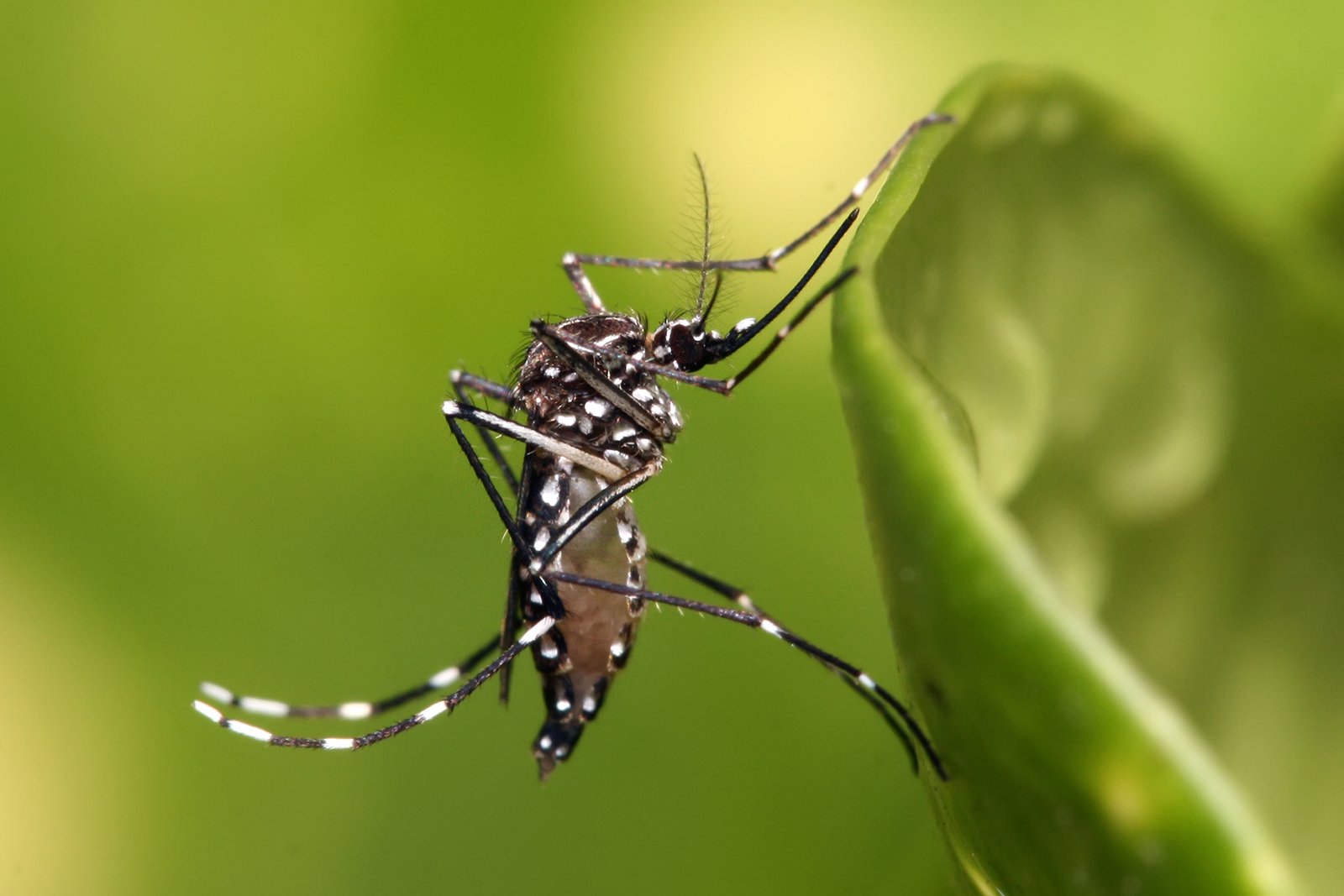
Mosquito bites (the main route). Zika spreads mostly through the bite of an infected Aedes mosquito, primarily Aedes aegypti and, to a lesser degree, Aedes albopictus (the Asian tiger mosquito). These mosquitoes bite aggressively during the day as well as around dawn and dusk, and they often live close to homes, breeding in small containers of standing water. The transmission cycle is a loop: a mosquito bites an infected person, the virus multiplies in the mosquito, and the mosquito then passes it to the next person it bites.
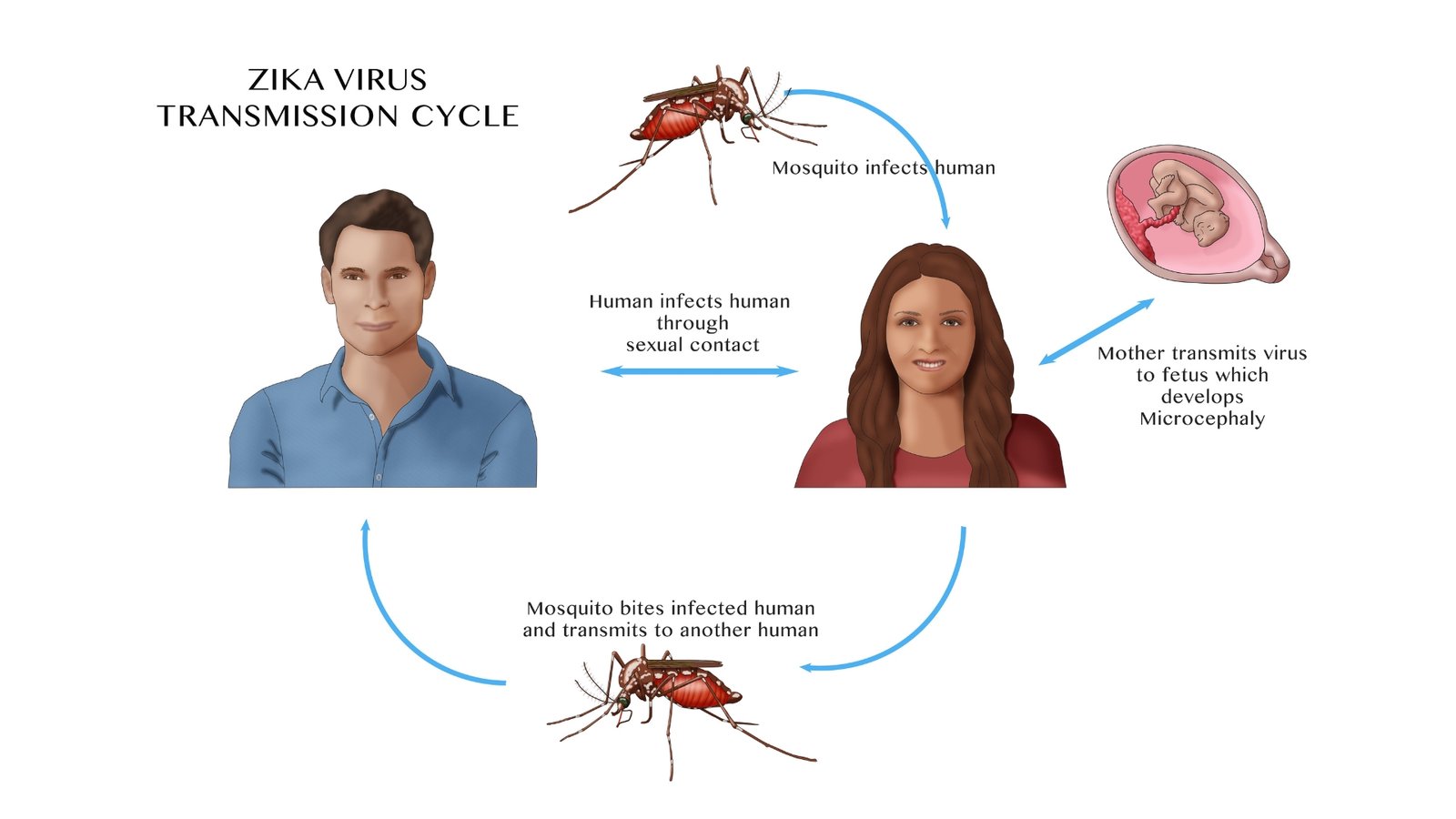
Zika is unusual among mosquito-borne viruses because it also spreads in ways that do not involve a mosquito at all:
- From a pregnant person to the fetus. The virus can cross the placenta during pregnancy and infect the developing fetus. This can happen whether or not the pregnant person feels sick.
- Through sex. Zika can pass from an infected person to their partners through vaginal, anal, and oral sex, and it can be present in semen for longer than in blood. A person can spread it through sex even without symptoms.
- Through blood transfusion. Transmission through transfusion has been reported, which is why blood is screened.
Symptoms
Most people infected with Zika never know it. About 4 out of 5 infected people (roughly 80 percent) have no symptoms at all. When symptoms do appear, they are usually mild and typically start 3 to 14 days after the bite.
The most common symptoms are:
- Fever (often mild)
- Rash
- Joint pain
- Red or irritated eyes (conjunctivitis)
- Muscle pain and headache
Illness is usually mild and lasts from a few days to about a week. People rarely get sick enough to need a hospital, and deaths from Zika itself are very uncommon. Because the symptoms overlap with dengue and chikungunya (both also spread by Aedes mosquitoes), Zika cannot be diagnosed by symptoms alone.
Who is at higher risk
The group most affected by Zika is pregnant people and their developing babies. Infection during pregnancy can cause congenital Zika syndrome, a pattern of severe birth defects that can include:
- Microcephaly (a smaller-than-expected head and underdeveloped brain)
- Brain damage and calcium deposits in the brain
- Eye damage and vision problems
- Hearing loss
- Joints with limited range of motion and high muscle tone
These outcomes can follow infection at any point in pregnancy, and they can occur even when the pregnant person had no symptoms. Estimates of how often an infected pregnancy leads to birth defects vary, but studies during the outbreak found that a meaningful share of infected pregnancies (commonly cited in the range of roughly 5 to 15 percent) resulted in Zika-related complications in the infant. That uncertainty is exactly why the guidance is cautious: the risk is real and the consequences can be lifelong.
A second, rarer concern affects adults and older children: Guillain-Barre syndrome, in which the body’s immune system attacks the nerves and causes muscle weakness that can, in severe cases, affect breathing. It is uncommon, but Zika outbreaks have been followed by increases in Guillain-Barre cases.
When to see a doctor. See a healthcare provider if you have Zika-like symptoms (fever, rash, joint pain, red eyes) and you are pregnant, or you have recently traveled to an area with Zika, or you have had sex with someone who traveled to such an area. If you are pregnant and think you may have been exposed, contact your provider even if you feel well, because testing and monitoring decisions depend on your history, not just your symptoms.
Diagnosis and treatment
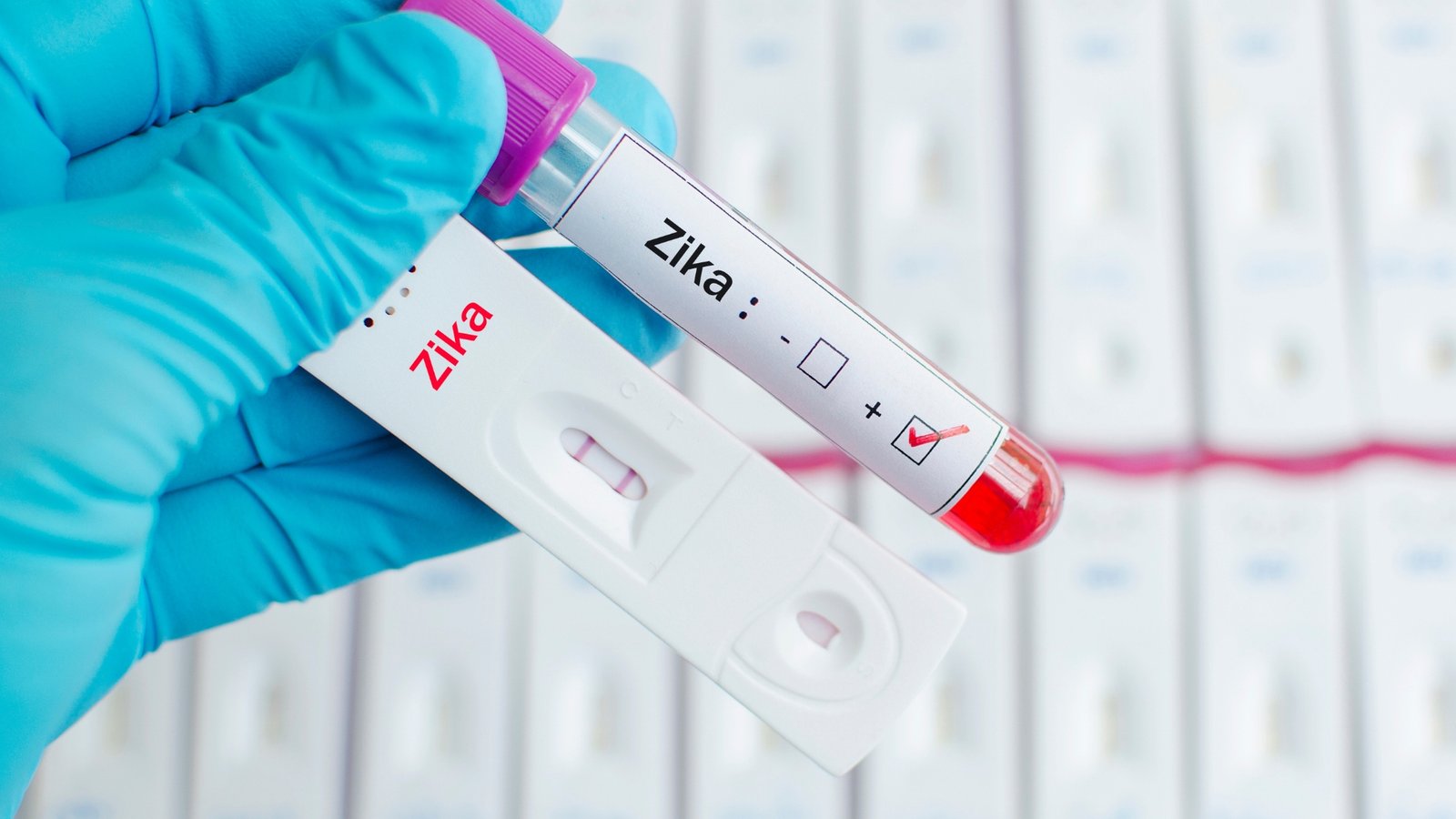
Diagnosis. A provider will ask about recent travel, sexual exposure, and symptoms, then may order blood or urine tests that look for the virus or for antibodies against it. Timing matters, because the virus is only detectable in blood and urine for a limited window, so tell your provider exactly when symptoms started and when any possible exposure happened.
Treatment. There is no specific medicine that treats Zika and no vaccine to prevent it. Care is supportive: rest, fluids, and medicines such as acetaminophen to bring down fever and ease pain. If Zika has not been ruled out, providers generally advise avoiding aspirin and other NSAIDs (like ibuprofen) until dengue has been excluded, because dengue raises the risk of bleeding. Because there is no cure, avoiding infection in the first place is the entire strategy.
How to protect yourself
Preventing Zika comes down to preventing mosquito bites and blocking the non-mosquito routes:
- Use an EPA-registered insect repellent (for example, one with DEET, picaridin, IR3535, or oil of lemon eucalyptus) and follow the label.
- Wear long-sleeved shirts and long pants when mosquitoes are active.
- Stay in places with air conditioning or with window and door screens.
- Remove standing water around your home (buckets, planters, tires, clogged gutters) to reduce mosquito breeding sites.
- If you or a partner may have Zika or traveled to an area with Zika, use condoms or do not have sex to avoid sexual transmission.
Special note for pregnancy. If you are pregnant, the safest step is to avoid travel to areas with ongoing Zika transmission. If travel is unavoidable, be strict about bite prevention day and night. If a partner has traveled to an area with Zika, use condoms every time or avoid sex for the rest of the pregnancy, because the virus can persist in semen and can infect the fetus. If you are planning a pregnancy, talk with your provider about timing after any possible exposure. See mosquitoes and pregnancy for a fuller guide.
For general tactics, see how to prevent mosquito bites and repellents that work.
Sources
- Centers for Disease Control and Prevention. About Zika. https://www.cdc.gov/zika/about/index.html. Accessed 20 Jul 2026. (Backs vector species, transmission routes including sex and pregnancy, and no vaccine or treatment.)
- Centers for Disease Control and Prevention. Clinical Signs and Symptoms of Zika Virus Disease. https://www.cdc.gov/zika/hcp/clinical-signs/index.html. Accessed 20 Jul 2026. (Backs roughly 80 percent asymptomatic, incubation of 3 to 14 days, common symptoms, and mild illness.)
- Centers for Disease Control and Prevention. Zika Cases in the United States. https://www.cdc.gov/zika/zika-cases-us/index.html. Accessed 20 Jul 2026. (Backs current low local-transmission risk in the continental region and travel-associated cases.)
- Centers for Disease Control and Prevention. Treatment and Prevention of Zika Virus Disease. https://www.cdc.gov/zika/hcp/clinical-care/index.html. Accessed 20 Jul 2026. (Backs supportive care, avoiding NSAIDs until dengue is ruled out, and prevention including condom use.)
- World Health Organization. Zika virus (fact sheet). https://www.who.int/news-room/fact-sheets/detail/zika-virus. Accessed 20 Jul 2026. (Backs vectors, transmission routes, symptom duration, congenital Zika syndrome features, the 5 to 15 percent complication estimate, and Guillain-Barre link.)
- Krauer F, Riesen M, Reveiz L, et al. Zika Virus Infection as a Cause of Congenital Brain Abnormalities and Guillain-Barre Syndrome: Systematic Review. PLOS Medicine. https://pmc.ncbi.nlm.nih.gov/articles/PMC5207634/. Accessed 20 Jul 2026. (Backs the causal link to congenital brain abnormalities and Guillain-Barre syndrome.)
- Centers for Disease Control and Prevention, Emerging Infectious Diseases. Estimated Incubation Period for Zika Virus Disease. https://wwwnc.cdc.gov/eid/article/23/5/16-1715_article. Accessed 20 Jul 2026. (Backs the incubation period estimate.)
Related
- Mosquitoes and pregnancy
- Aedes aegypti (yellow fever mosquito)
- Aedes albopictus (Asian tiger mosquito)
- Dengue fever
- Chikungunya
- How to prevent mosquito bites
Educational reference only. This is not medical advice. If you are pregnant, may have been exposed to Zika, or have symptoms, talk with a qualified healthcare provider. Last reviewed 20 July 2026.