Short answer
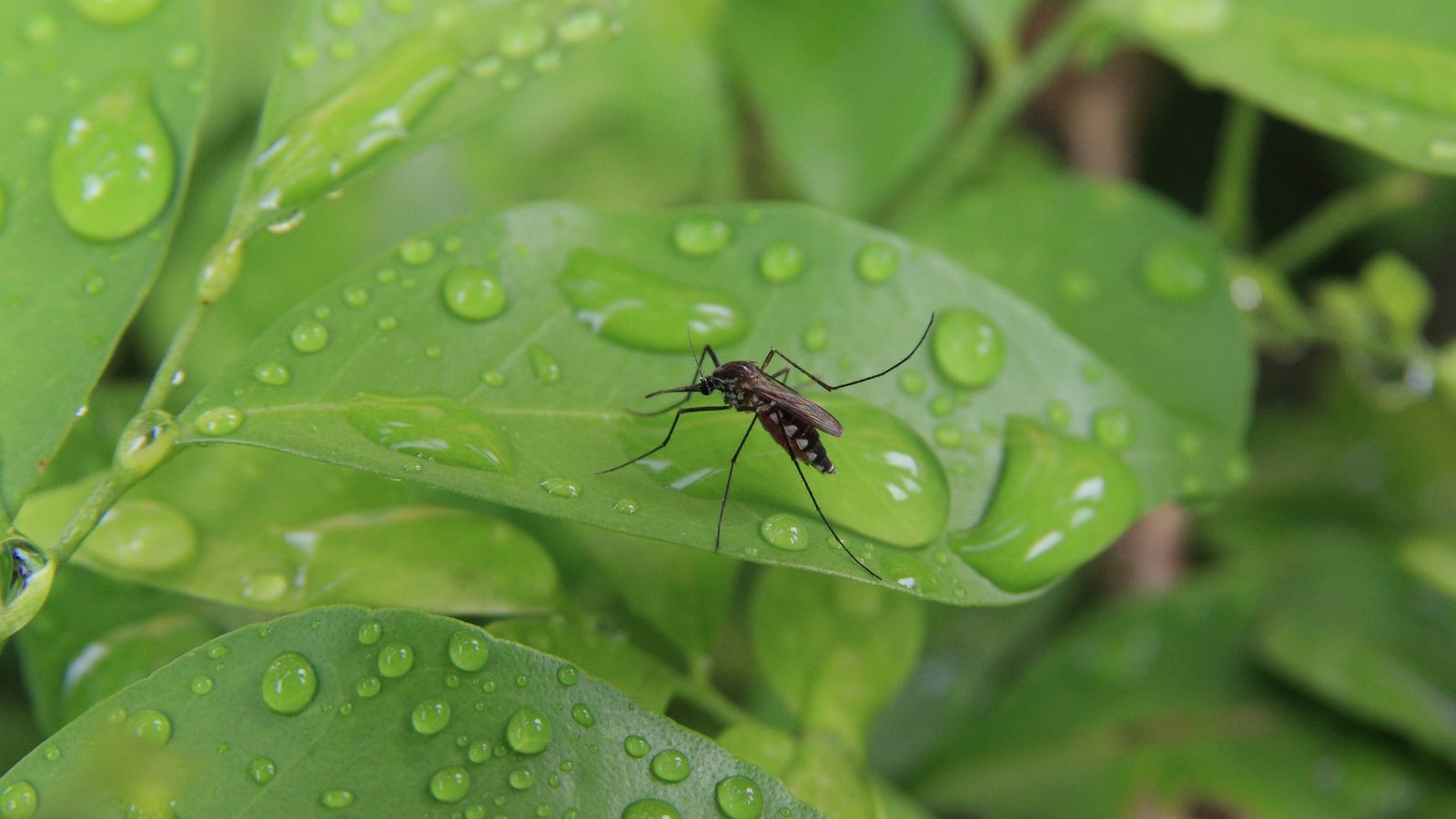
Most mosquitoes are not gone during the day, they are resting out of sight. It is common for mosquitoes to be active around dawn and dusk and to rest in vegetation or in protected areas during the heat of the day (University of Georgia Extension). During the daytime, adults like to rest in cool, dark, damp, and protected locations, such as in vegetation (University of Missouri Extension).
In practice that means tall grass, dense shrubs, leaf litter and ground cover, tree holes, the shaded space under decks and porches, and inside sheds and garages. When adults are not actively searching for a meal, they rest in protected sites such as animal burrows, buildings, shrubs, other low-growing vegetation, dense forested areas, culverts, or similar cool, shaded areas (Mississippi State University Extension). Some also shelter in storm drains and catch basins.
Why they hide
The daytime hiding is about survival, not sleep. A mosquito is a small, thin-skinned insect that loses body water quickly, so hot, sunny, breezy conditions can dry it out and kill it. To avoid that, adults spend the hot part of the day in cool, dark, damp, protected spots where the air is more humid and still (University of Missouri Extension).
Structures built to carry water make the point clearly. Both male and female mosquitoes will seek refuge inside a drainage system to avoid dehydration or exposure, where they find ample shade (Maricopa County Environmental Services Department). The same logic applies in a backyard: shade plus humidity plus shelter from wind and sun is what a resting mosquito is looking for, and it waits there until conditions ease.
Common daytime resting spots
Resting sites tend to fall into a few groups.
- Vegetation. Shrubs, bushes, and tall grass are primary resting sites, and the shaded, humid space they create is what mosquitoes seek out. Yards with lots of trees, shrubs, and dense vegetation, or properties next to such areas, can have the worst problems (University of Kentucky Entomology). Mosquitoes prefer to rest in these protected sites during the day.
- Ground cover and leaf litter. Low, dense plantings hold moisture and shade near the soil. The Asian tiger mosquito, for example, is often most prevalent along creek bottoms and drainage swales where privet thickets grow and where thick, low vegetation such as English ivy is present (University of Georgia Extension).
- Structures. Mosquitoes readily use the shaded, sheltered parts of the built environment: under decks, along foundations, and the lower limbs of shade trees and shrubs near buildings (University of Kentucky Entomology). The common house mosquito (Culex) rests by day in and around structures and vegetation, and can move into crawlspaces, basements, and cellars for shelter (Illinois Department of Public Health).
- Storm drains and culverts. Underground drains, culverts, and catch basins stay cool, shaded, and damp, which makes them reliable daytime refuges. Adults seek refuge inside these drainage structures to avoid dehydration and exposure (Maricopa County Environmental Services Department; Mississippi State University Extension).
Day-biters are the exception
Resting through the day is the general rule, not an absolute one. Some mosquitoes will readily bite in daylight, especially in shade or when disturbed.
The clearest examples are the Aedes mosquitoes. The yellow fever mosquito (Aedes aegypti) and the Asian tiger mosquito (Aedes albopictus) bite during the day, with peak activity around dawn and dusk, though they can bite at other times as well (CDC, Dengue). Native floodwater species behave similarly when conditions are right: the inland floodwater mosquito (Aedes vexans) will bite any time of day if disturbed while resting in shaded, heavily vegetated areas (Illinois Department of Public Health). So walking through dense shrubs or tall grass on a summer afternoon can put you in contact with mosquitoes that would otherwise stay put. For more detail on this split, see the related page on day versus night biters below.
What this means for control
Because adults rest in predictable places, the resting habitat itself is a control target. Reducing shaded, humid harborage around a home makes it a less hospitable place for mosquitoes to wait out the day.
Extension guidance is consistent on this point. Do not allow grass or weeds to grow uncontrolled near the home, and keep shrubs and bushes trimmed with a space between them and the house (University of Missouri Extension). Removal of tall weeds and overgrowth is part of an integrated mosquito management program (University of Kentucky Entomology). Reducing the vegetation around the edges of ponds or around your home reduces both larval development sites and resting places for adults (Illinois Department of Public Health). Where treatment is used, it is aimed at the specific harborages where adults actually rest, such as dense shrubs, hedges, and shaded ground cover, rather than sprayed at random (University of Georgia Extension). None of this replaces removing standing water, which is where the next generation comes from, but it does reduce the shelter adults depend on. See the Related pages below on prevention.
Sources
- University of Georgia Extension, Circular C1266, “Mosquito Control Around the Home” (mosquitoes active around dawn and dusk and rest in vegetation or protected areas during the heat of the day; harborages such as privet thickets and English ivy should be targeted). https://fieldreport.caes.uga.edu/publications/C1266/mosquito-control-around-the-home/ (accessed 20 July 2026)
- University of Missouri Extension, Publication G7400, “Mosquitoes” (adults rest in cool, dark, damp, and protected locations such as vegetation during the day; keep grass and weeds down and shrubs trimmed with space from the house). https://extension.missouri.edu/publications/g7400 (accessed 20 July 2026)
- University of Kentucky Entomology, EF005, “Mosquitoes: Practical Advice for Homeowners” (mosquitoes prefer to rest in protected sites during the day; yards with trees, shrubs, and dense vegetation have worse problems; removal of tall weeds and overgrowth is part of integrated management; target lower limbs, shrubs, under decks, and foundations). https://entomology.mgcafe.uky.edu/ef005 (accessed 20 July 2026)
- Mississippi State University Extension, “Mosquitoes, West Nile, and Other Encephalitis Viruses: What You Can Do to Protect Yourself” (adults rest in protected sites such as animal burrows, buildings, shrubs, other low-growing vegetation, dense forested areas, culverts, or similar cool, shaded areas). https://extension.msstate.edu/publications/mosquitoes-west-nile-and-other-encephalitis-viruses-what-you-can-do-protect-yourself (accessed 20 July 2026)
- Illinois Department of Public Health, “Mosquitoes and Disease” (Culex rest by day in and around structures and vegetation and shelter in crawlspaces, basements, and cellars; Aedes vexans will bite any time of day if disturbed while resting in shaded, heavily vegetated areas; reducing vegetation reduces resting places for adults). https://dph.illinois.gov/topics-services/environmental-health-protection/structural-pest-control/mosquitoes-disease.html (accessed 20 July 2026)
- Maricopa County Environmental Services Department, “Drainage Facilities and Mosquitoes” mosquito toolkit (male and female mosquitoes seek refuge inside drainage systems, including catch basins, to avoid dehydration and exposure and to find shade). https://maricopa.gov/DocumentCenter/View/84331/MCESD-Mosquito-Toolkit—Drainage-Facilities-PDF (accessed 20 July 2026)
- CDC, Dengue, “How Dengue Spreads” (dengue is spread by Aedes aegypti and Aedes albopictus, which bite during the day, with peak biting after sunrise and around sunset). https://www.cdc.gov/dengue/transmission/index.html (accessed 20 July 2026; page returned HTTP 403, content confirmed from CDC search result summary)
Related
- Day vs night biters: when mosquitoes bite [placeholder]
- Aedes albopictus (Asian tiger mosquito) [placeholder]
- Mosquito prevention around the home [placeholder]
- How to get rid of standing water [placeholder]
Educational note: This page is a general reference for public education and is not pest-control or medical advice. Resting behavior varies by species, weather, and local conditions. For a persistent mosquito problem, contact your local mosquito control district or a licensed professional.
Last reviewed 20 July 2026.