Short answer
New York is where West Nile virus was first detected in the Western Hemisphere, during a 1999 outbreak centered on Queens in New York City (Source 1). West Nile remains the main mosquito-borne concern in the state today. Dense populations of house mosquitoes (Culex species) drive transmission in the New York City metropolitan area, while a separate and rarer threat, eastern equine encephalitis (EEE), circulates in freshwater swamps in central and upstate New York (Source 5). West Nile is considered endemic in New York, meaning it is found in at least part of the state most summers (Source 3).
Mosquito season
Mosquito activity in New York generally runs from spring through the first hard frost. In New York City, mosquitoes are typically active from April through October (Source 7). The state’s arbovirus surveillance program traps and tests mosquitoes from May through October across participating counties, which reflects the window when mosquito-borne virus risk is highest (Source 6).
Risk to people is not evenly spread across those months. West Nile virus builds up in mosquito and bird populations over the summer, so human cases cluster in late summer and early fall, roughly July through September. The 1999 outbreak followed this pattern, with illness onset dates running from early August into late September (Source 2). Cold weather ends the active season: the first consistent frosts in late October or November sharply reduce adult mosquito activity.
The mosquitoes you meet
New York has dozens of mosquito species. A few matter most for human health.
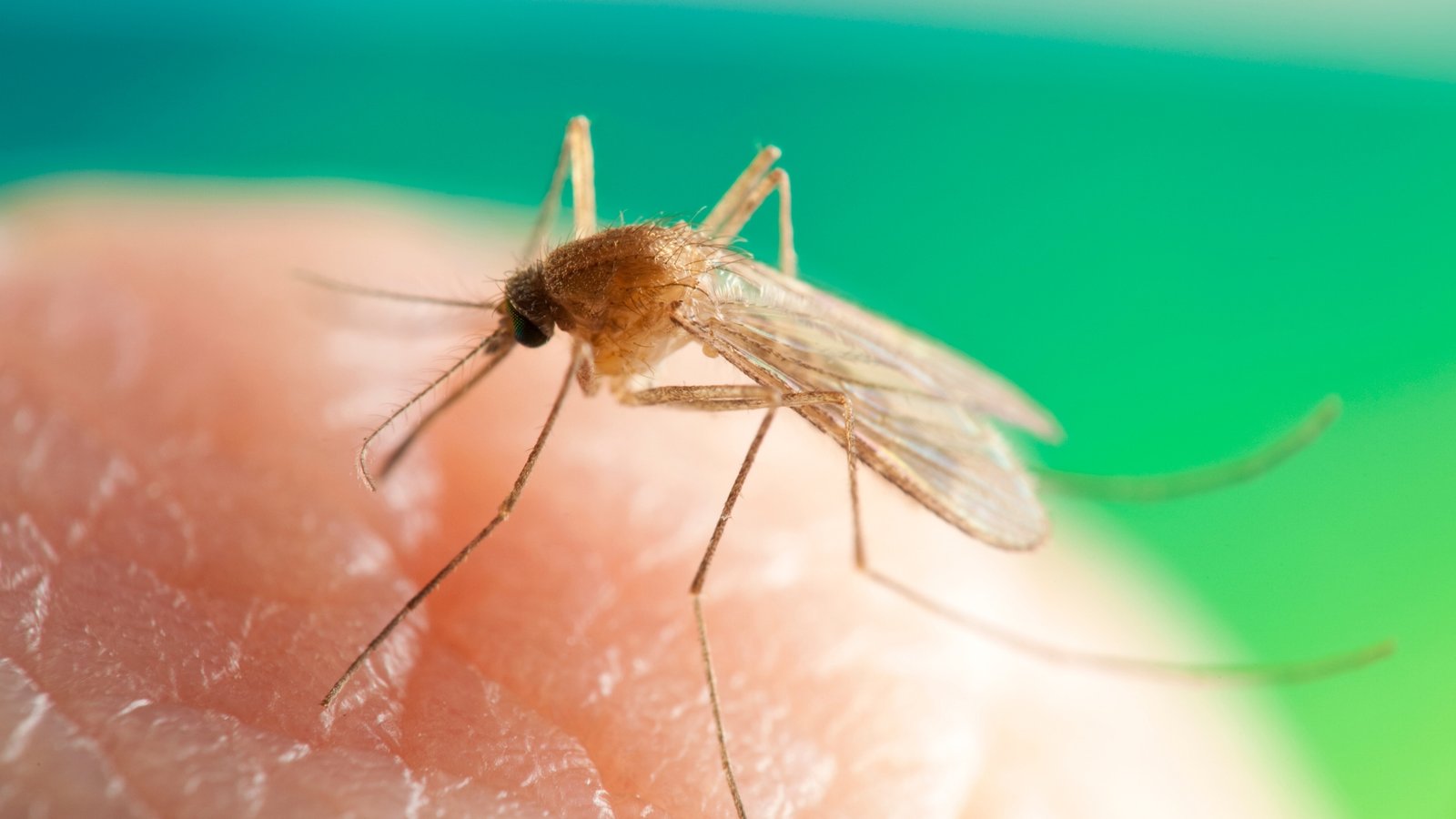
- Northern house mosquito (Culex pipiens). This is the primary West Nile virus vector in urban and suburban New York, especially in the New York City area. It breeds readily in standing water in catch basins, containers, and neglected pools, which makes it a city-adapted mosquito (Source 5). See the [Culex pipiens species page].
- Black-tailed mosquito (Culiseta melanura). This is the main enzootic vector of eastern equine encephalitis virus. It breeds abundantly in the freshwater swamps of central and upstate New York and feeds preferentially on birds, which keeps EEE virus cycling in bird populations (Source 5). See the [Culiseta melanura species page].
- Asian tiger mosquito (Aedes albopictus). This invasive, day-biting container mosquito has been expanding its range northward into southern New York, a shift researchers link to a warming climate. Cornell research documented its spread and rising abundance in the southern part of the state (Source 8). See the [Aedes albopictus species page].
Disease risk
West Nile virus is the dominant mosquito-borne disease in New York and occurs statewide. Its arrival in 1999 was a landmark event: it was the first detection of West Nile virus in the Western Hemisphere, identified after a cluster of encephalitis cases in northern Queens and an unusual die-off of crows and other birds (Source 1). During that first outbreak, 59 patients were hospitalized with West Nile infection in the New York City area, and 7 people died (Source 2). The virus has since become established, and West Nile has been detected in mosquitoes in New York City every year since 1999 (Source 4). Most people infected with West Nile have no symptoms, but a small fraction develop serious neuroinvasive disease. In the 2025 season, the state health department reported dozens of human West Nile cases across New York City and the rest of the state (Source 3). See the [West Nile virus disease page].
Eastern equine encephalitis (EEE) is far rarer but more severe, with a high fatality rate among those who develop brain infection. In New York, EEE virus activity is concentrated in specific swamp complexes. Long-running state surveillance found most EEE virus detections in counties near Oneida Lake in central New York, particularly the Big Bay and Toad Harbor swamp complex in Oswego County and Cicero Swamp in Onondaga County, along with foci in Sullivan County and Suffolk County (Source 5). Human EEE cases in New York have historically coincided with years when the virus was found in Culiseta melanura (Source 5). See the [eastern equine encephalitis disease page].
Local control
Mosquito control in New York is run largely at the city and county level, coordinated with the state health department.
New York City’s health department runs a comprehensive mosquito surveillance and control program focused on West Nile. Its main tool is larviciding, which kills mosquito larvae before they emerge as biting adults. The city treats standing water sources including catch basins, using microbial larvicides based on naturally occurring soil bacteria (Bacillus thuringiensis israelensis, known as Bti, and Lysinibacillus sphaericus) and the insect growth regulator methoprene, and it applies larvicide by hand, backpack, and aerial application to hard-to-reach breeding areas (Source 4). The department notifies the public before any pesticide spraying (Source 4).
Upstate and on Long Island, counties conduct their own trapping, testing, and control in cooperation with the New York State Department of Health, which trains local personnel and tests mosquito, human, and animal samples to guide local response decisions (Source 3).
Protect yourself
The same precautions reduce risk from both West Nile and EEE.
- Use an EPA-registered insect repellent and follow the label, especially during the late-summer peak.
- Wear long sleeves and long pants when mosquitoes are active, including at dusk and dawn for Culex species.
- Repair window and door screens to keep mosquitoes out of the home.
- Remove standing water around the home weekly: empty containers, buckets, clogged gutters, and unused pools where Culex and Aedes mosquitoes breed (Source 7).
Sources
- Centers for Disease Control and Prevention, “Outbreak of West Nile-Like Viral Encephalitis, New York, 1999,” MMWR. https://www.cdc.gov/mmwr/preview/mmwrhtml/mm4838a1.htm (first detection of West Nile virus in the Western Hemisphere; Queens cluster). Accessed 20 July 2026.
- Nash D. et al., “The Outbreak of West Nile Virus Infection in the New York City Area in 1999,” New England Journal of Medicine. https://www.nejm.org/doi/full/10.1056/NEJM200106143442401 (59 hospitalized cases, 7 deaths; onset dates; Queens focus). Accessed 20 July 2026.
- New York State Department of Health, “West Nile Virus (WNV).” https://www.health.ny.gov/diseases/west_nile_virus/ (endemic status; state and local surveillance roles; 2025 human case reporting). Accessed 20 July 2026 (page returned HTTP 403; content confirmed via search index summary).
- New York City Department of Health and Mental Hygiene, “Mosquito Control.” https://www.nyc.gov/site/doh/health/health-topics/west-nile-virus-spray.page (catch-basin larviciding; Bti, L. sphaericus, methoprene; West Nile detected in NYC mosquitoes every year since 1999; public notification). Accessed 20 July 2026.
- Oliver J. et al., “Twenty years of surveillance for Eastern equine encephalitis virus in mosquitoes in New York State from 1993 to 2012,” PMC. https://www.ncbi.nlm.nih.gov/pmc/articles/PMC6019270/ (EEE foci near Oneida Lake, Big Bay/Toad Harbor and Cicero swamps, Sullivan and Suffolk counties; Culiseta melanura enzootic vector). Accessed 20 July 2026.
- New York State Department of Health, “Statewide Mosquito-borne Disease Activity Reports.” https://www.health.ny.gov/diseases/west_nile_virus/archived_reports/ (May-through-October surveillance and weekly reporting). Accessed 20 July 2026.
- New York City Department of Health and Mental Hygiene, “Mosquitoes.” https://www.nyc.gov/site/doh/health/health-topics/mosquitoes.page (active April through October; source reduction and personal protection). Accessed 20 July 2026.
- Cornell University, College of Agriculture and Life Sciences, “Range expansion of the Asian tiger mosquito in NYS.” https://cals.cornell.edu/agricultural-experiment-station/research-impacts/range-expansion-asian-tiger-mosquito-nys (Aedes albopictus northward spread and rising abundance in southern New York). Accessed 20 July 2026.
Related
- [Culex pipiens species page]
- [Culiseta melanura species page]
- [Aedes albopictus species page]
- [West Nile virus disease page]
- [Eastern equine encephalitis disease page]
- [Region hub: Northeast]
Educational note: This page is for general information and is not medical advice. If you have symptoms of a mosquito-borne illness, contact a healthcare provider or your local health department.
Last reviewed 20 July 2026.