The short answer
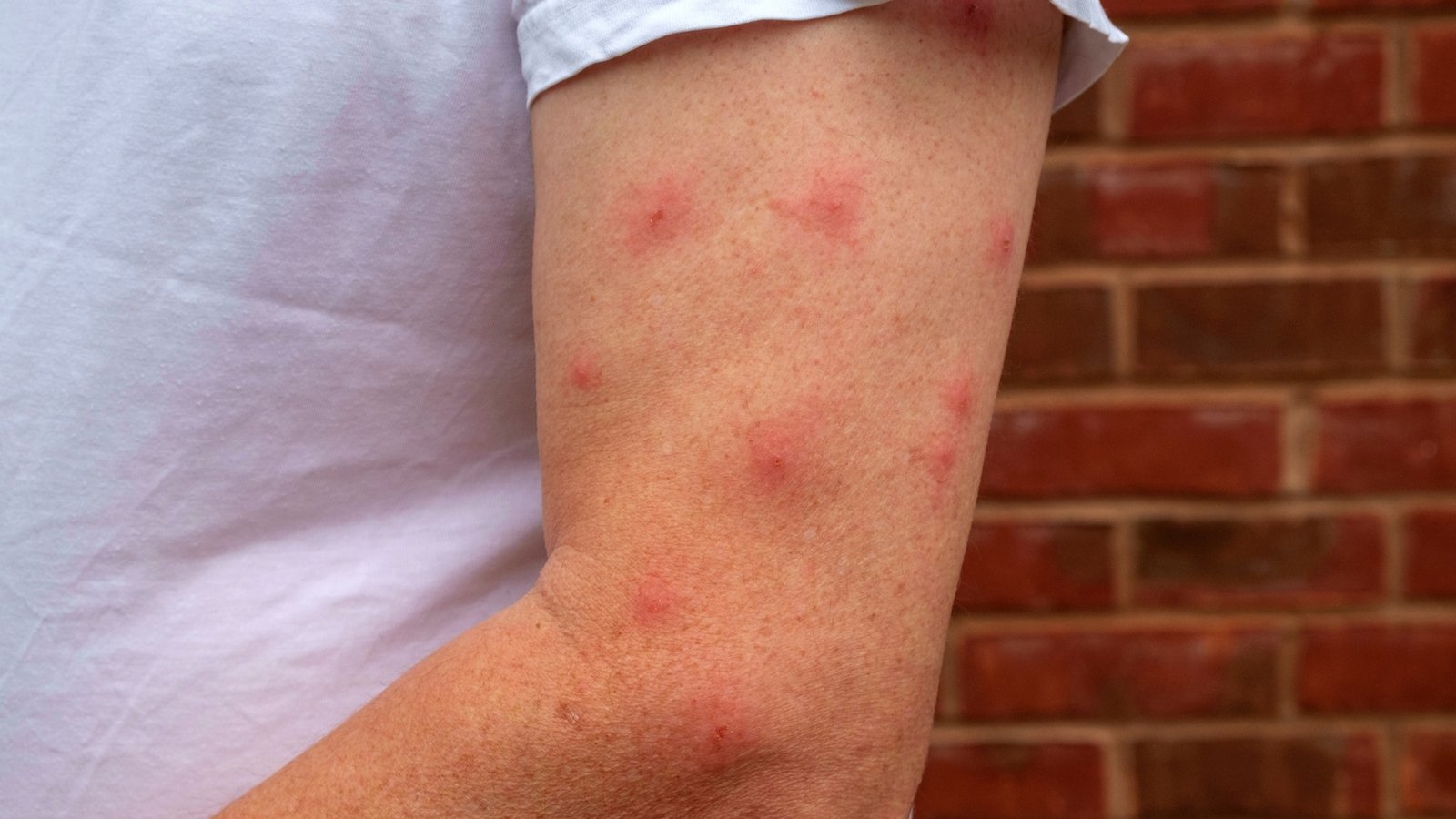
Most mosquito bites are not infected. A normal bite is an itchy, puffy bump that shows up within minutes, may get a little worse over the first day, and then fades over several days to a week. That is your immune system reacting to mosquito saliva, not an infection.
A bite becomes infected when bacteria get into broken skin, and the usual way that happens is scratching. Scratching an itchy bite until the skin breaks opens a door for bacteria that live on your skin, mainly staph and strep, to move in and start a skin infection. So the bite itself is rarely the problem. What you do to it is what raises the risk.
The signs to watch for are redness that spreads outward from the bite, warmth, growing swelling, pus or drainage, pain that gets worse a few days in, red streaks running from the bite, and fever. A plain itchy bite that is slowly improving does not need a doctor. A bite that is getting redder, more painful, and warmer after the first couple of days might, and red streaks or fever mean you should be seen promptly.
What causes a bite to become infected
The bump from a mosquito bite is an allergic reaction, not an infection. When a mosquito feeds, it injects a little saliva. Your body treats that saliva as a foreign substance and releases histamine to the spot, which is what makes the area itch and swell (Cleveland Clinic). Left alone, that reaction settles down on its own.
Infection is a separate event. It needs two things: a break in the skin and bacteria to get into it. Cellulitis, one of the common skin infections that can follow a bite, happens when bacteria enter the body through a crack or break in the skin (Mayo Clinic). Your skin is normally home to staph and strep bacteria that cause no trouble on the surface. The problem starts when they get underneath.
Scratching is the bridge between the two. As Cleveland Clinic puts it, scratching the bite to the point of bleeding can open the door for a bacterial skin infection. This is especially common in children, whose nails are often dirty from outdoor play, but it happens to adults too. The itch is real, but every scratch that breaks the skin raises the odds that a harmless bite turns into an infected one.
Signs of infection versus a normal itchy bite
Knowing what normal looks like makes the warning signs easier to spot.
A normal bite looks like this:
- A small, raised, puffy bump, often red or pink, sometimes with a tiny dark spot in the center (Cleveland Clinic).
- Itching and mild irritation around the bump.
- A reaction that may worsen over the first 24 hours, then steadily improves and clears within a week (Cleveland Clinic).
Signs that a bite may be infected include:
- Redness that spreads outward from the original bite and keeps expanding rather than shrinking (Cleveland Clinic, Mayo Clinic).
- Warmth in the skin around the bite.
- Swelling that grows instead of going down.
- Pain that increases, especially pain that gets worse a few days after the bite rather than better.
- Pus or drainage coming from the bite.
- Red streaks extending out from the bite (Cleveland Clinic).
- Fever, generally above 100 degrees Fahrenheit (37.7 degrees Celsius), sometimes with chills (Cleveland Clinic).
- Swollen lymph nodes near the bite (Cleveland Clinic).
The timing is a useful clue. A normal bite is most irritated early and then calms down. An infected bite tends to do the opposite: it looks and feels worse on day three or four than it did on day one. Redness that is spreading, skin that is hot to the touch, and any red streaking or fever are the signs that most clearly point to infection rather than an ordinary reaction.
Common infections
Two bacterial skin infections account for most trouble that follows a scratched bite. Both are usually caused by staph and strep bacteria (Cleveland Clinic, Mayo Clinic).
Impetigo is a contagious skin infection that often follows scratching. Bacteria enter the skin through a cut, scrape, or insect bite, and the area develops itchy sores that quickly burst and then dry into a honey-colored or yellowish crust (Cleveland Clinic). It is most common in young children and spreads easily through skin-to-skin contact. Impetigo is treated with antibiotics, either a topical cream or oral medication, and untreated cases can occasionally lead to deeper infection (Cleveland Clinic).
Cellulitis is a bacterial infection of the skin and the tissue beneath it (Cleveland Clinic). It shows up as an area of redness or discoloration that is swollen, warm, and painful to the touch, and the red area tends to expand over time if it is not treated (Mayo Clinic). Cellulitis can bring fever, chills, and fatigue, and unlike a mosquito bite it does not itch (Cleveland Clinic). It needs medical treatment, usually oral antibiotics. Left untreated, cellulitis can spread to the lymph nodes and bloodstream and become life-threatening, which is why prompt treatment matters (Mayo Clinic).
How to care for it and prevent infection
The single most useful thing you can do is not scratch. Everything else follows from keeping the skin intact.
For an ordinary itchy bite:
- Do not scratch. Breaking the skin is what exposes you to infection (Cleveland Clinic). Keeping your nails short and clean helps, especially for children.
- Keep it clean. Wash the bite with soap and water and, if it is being scratched, cover it with a bandage (Cleveland Clinic).
- Cool the itch. An ice pack reduces inflammation, swelling, and itching (Cleveland Clinic).
- Treat the itch so you scratch less. An over-the-counter antihistamine (as a pill or a topical) and hydrocortisone cream can relieve itching and swelling (Cleveland Clinic). Calamine lotion can also soothe the area.
If the skin does get broken, keep it clean and watch it over the next few days for the signs of infection above.
Antibiotics are not for ordinary bites. They are needed when a bacterial infection has actually set in. Impetigo is treated with antibiotics, and cellulitis is typically treated with oral antibiotics, with intravenous antibiotics reserved for severe cases (Cleveland Clinic). These require a diagnosis, so the decision to use them belongs to a healthcare provider, not to guesswork at home. If a bite shows signs of infection, that is the reason to be seen.
When to see a doctor
See a healthcare provider if a bite shows signs of infection: spreading redness, increasing warmth, growing swelling, pus or drainage, or pain that is getting worse a few days after the bite (Cleveland Clinic, Mayo Clinic). These are the situations where antibiotics may be needed, and earlier treatment is easier treatment.
Treat these as urgent and seek care promptly:
- Red streaks running from the bite toward the rest of the limb. Streaking can signal that the infection is moving along the lymphatic system (Cleveland Clinic).
- Fever or chills along with a worsening bite. Mayo Clinic advises seeking emergency care if cellulitis symptoms are worsening or you also have a fever or chills, because the infection may be spreading rapidly (Mayo Clinic).
- Redness that is spreading quickly, or a bite area that is rapidly becoming larger, more painful, and hotter.
The reason to move quickly is that cellulitis can progress from the skin into the lymph nodes and bloodstream, where it can become life-threatening (Mayo Clinic). Caught early, a skin infection after a bite is very treatable. That is the whole case for not waiting when the warning signs appear.
If the bite is simply itchy and slowly improving, you do not need a doctor. Keep it clean, leave it alone, and let it heal.
Sources
- Cleveland Clinic, What Happens When a Mosquito Bite Gets Infected? Scratching a bite until it bleeds can open the door to bacterial skin infection; signs of infection include spreading redness, red streaking, pus or drainage, warmth, swollen lymph nodes, chills, and fever above 100 degrees Fahrenheit; the infection is cellulitis, most often caused by strep and staph; home care includes soap and water, hydrocortisone, calamine, ice, and antihistamines; see a doctor for signs of infection. https://health.clevelandclinic.org/what-happens-when-a-mosquito-bite-gets-infected-and-what-to-do (accessed 2026-07-20)
- Cleveland Clinic, Cellulitis: Symptoms, Causes, Treatment & Recovery. Cellulitis is a bacterial infection of the skin and tissue beneath it; symptoms include pain, tenderness, swelling, warmth, discoloration, fever, chills, and fatigue; cellulitis does not itch; strep and staph cause most cases; treated with oral antibiotics, with IV antibiotics for severe cases; untreated cellulitis can lead to bacteremia. https://my.clevelandclinic.org/health/diseases/15071-cellulitis (accessed 2026-07-20)
- Cleveland Clinic, Impetigo. Bacteria (mainly staph and strep) enter skin through a cut, scrape, rash, or insect bite; causes itchy sores that burst and form honey-colored crusts; highly contagious through skin-to-skin contact; treated with topical or oral antibiotics; can progress to deeper infection if untreated. https://my.clevelandclinic.org/health/diseases/15134-impetigo (accessed 2026-07-20)
- Cleveland Clinic, Mosquito Bites: What They Look Like, Why They Itch & Treatment. A normal bite is a small raised bump, sometimes with a dark central spot, that lasts a few days; itching is caused by histamine responding to mosquito saliva; do not scratch because it breaks the skin and exposes you to infection; wash with soap and water, use ice, antihistamines, and hydrocortisone. https://my.clevelandclinic.org/health/diseases/17695-mosquito-bites (accessed 2026-07-20)
- Mayo Clinic, Cellulitis: Symptoms & causes. Cellulitis occurs when bacteria enter through a crack or break in the skin; affected skin is red, swollen, warm, and painful, and the area of redness expands over time if untreated; see a doctor as soon as possible for signs of cellulitis, and seek emergency care if symptoms worsen or you also have fever or chills; untreated infection can spread to lymph nodes and bloodstream and become life-threatening. https://www.mayoclinic.org/diseases-conditions/cellulitis/symptoms-causes/syc-20370762 (accessed 2026-07-20)
Related
- Mosquito bite symptoms: when to worry [placeholder]
- How to stop a mosquito bite from itching [placeholder]
- Skeeter syndrome: large local reactions to bites [placeholder]
- Mosquito bites and children: what parents should know [placeholder]
- When to see a doctor after a mosquito bite [placeholder]
- Everyday mosquito bite prevention that works [placeholder]
This page is for general education and is not medical advice. If you are concerned about symptoms after a mosquito bite, contact a healthcare provider. Last reviewed 20 July 2026.