The short answer
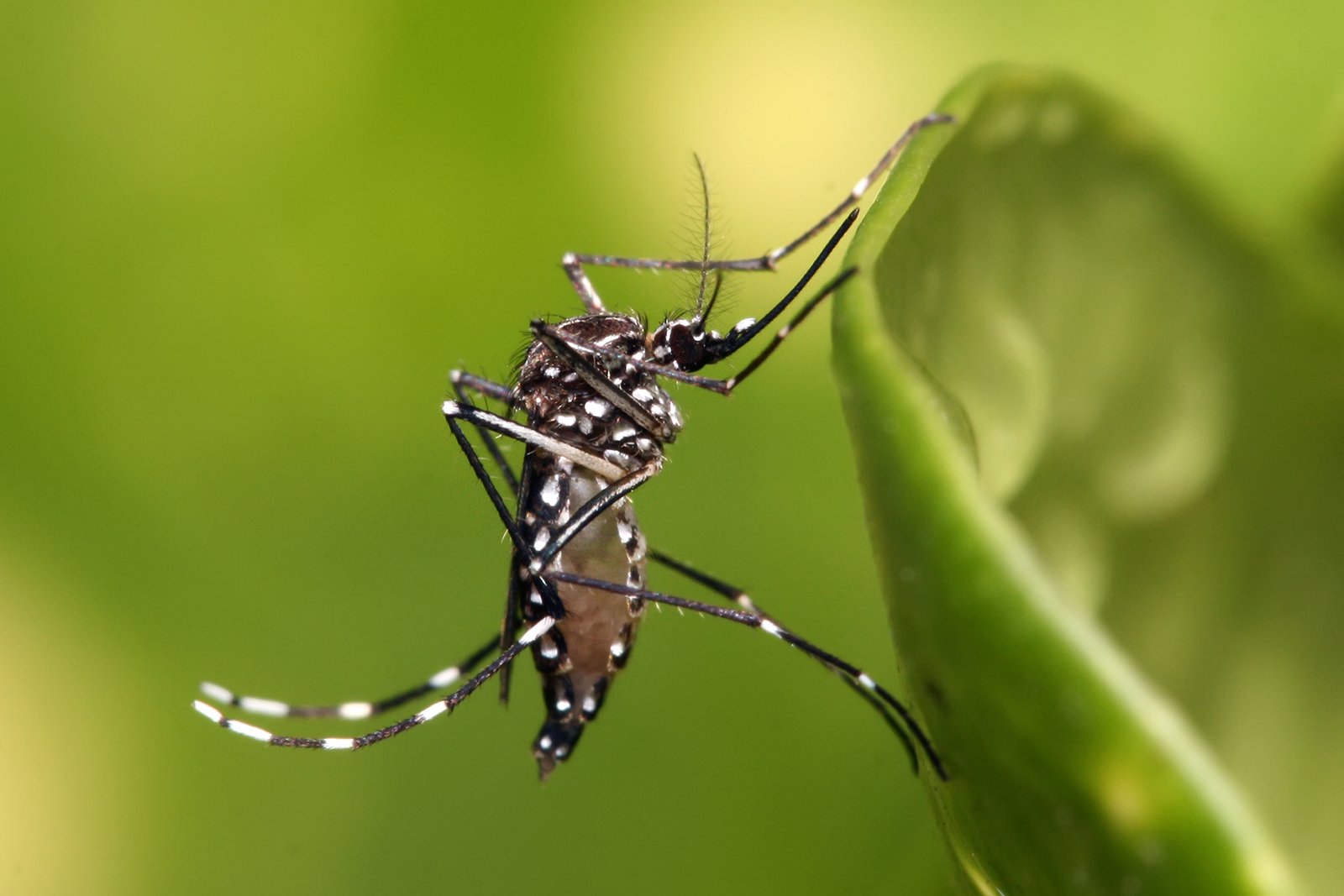
Dengue is a viral infection you can catch from the bite of an infected mosquito, mainly the yellow fever mosquito (Aedes aegypti). Most people who get infected either feel nothing or have a flu-like illness with high fever, bad headache, pain behind the eyes, and aching joints and muscles. A small share of people go on to develop severe dengue, which is a medical emergency. There is no specific antiviral drug, so care focuses on rest, fluids, and watching for warning signs.
Most dengue cases counted in the states are picked up while traveling, but local, mosquito-borne spread does happen in warm areas, and dengue is a regular, ongoing threat in Puerto Rico and other territories.
The short version: Dengue is a mosquito-spread virus. Usually mild or symptom-free, but sometimes severe. No cure exists, so hydration and monitoring for warning signs matter most. Avoiding daytime-biting Aedes mosquitoes is the best protection.
What it is
Dengue is caused by the dengue virus, which comes in four closely related types called serotypes: DENV-1, DENV-2, DENV-3, and DENV-4. All four can cause the same range of illness, from no symptoms at all to classic dengue fever to life-threatening severe dengue.
Recovering from one serotype gives you long-lasting protection against that specific type, but only short-term, partial protection against the other three. That is why a person can catch dengue more than once in a lifetime, and it is a key reason a later infection with a different serotype can be more dangerous than the first (covered under risk, below).
Dengue is the most common mosquito-borne viral infection worldwide. In 2024, both the wider region of the Americas and the reporting jurisdictions in the states saw record case numbers, and Puerto Rico declared a public health emergency in March 2024 because of unusually high case counts during what is normally the low season.
How you get it
You get dengue when a mosquito carrying the virus bites you. The two mosquitoes that spread it are:
- Aedes aegypti (the yellow fever mosquito) is the main vector. It thrives around homes, bites mostly during the day, and prefers to feed on people.
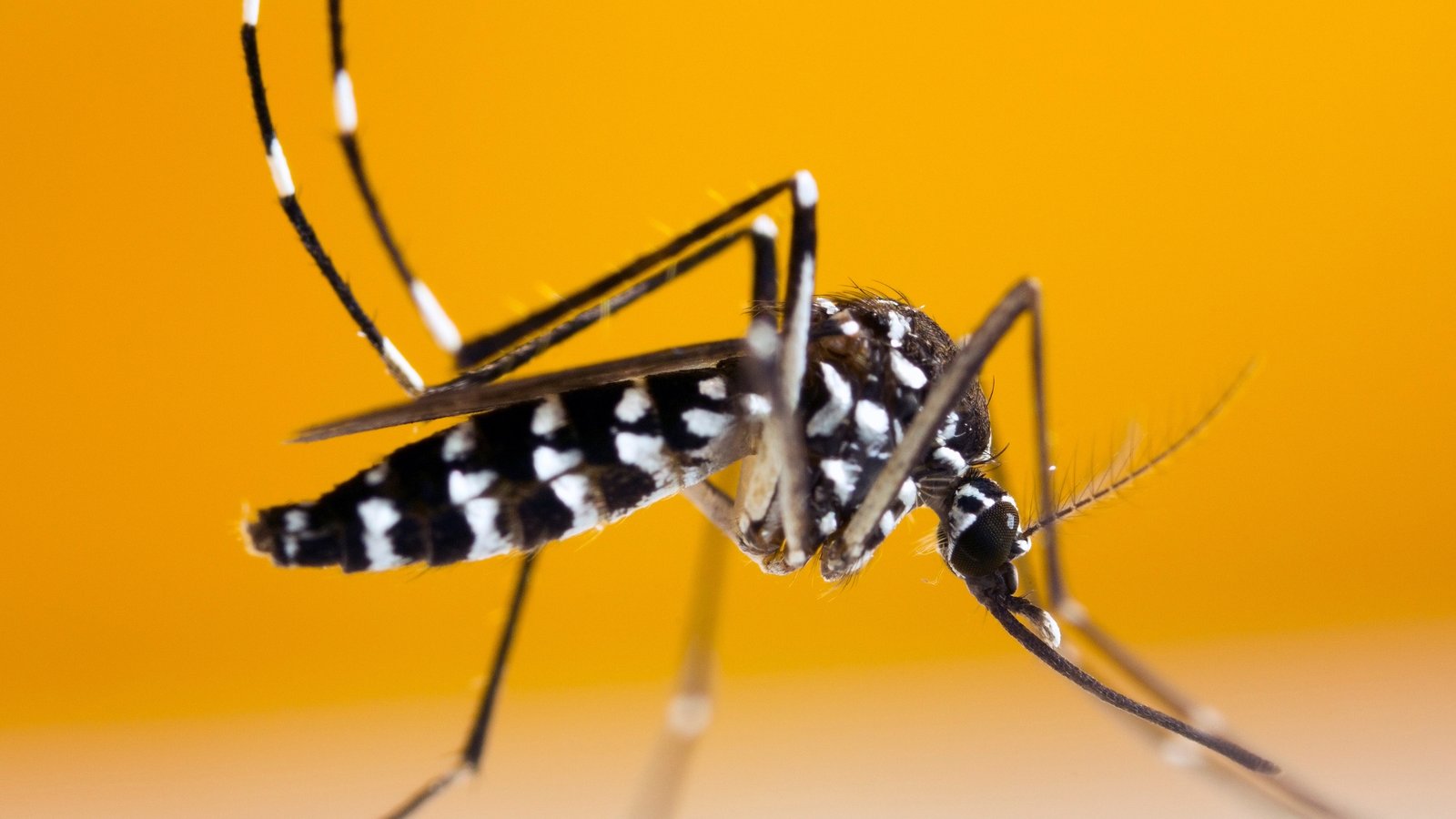
- Aedes albopictus (the Asian tiger mosquito) is a secondary vector. It is more widespread across cooler parts of the country and can also carry the virus.
The cycle works like this: a mosquito bites a person who already has dengue virus in their blood, the virus multiplies inside the mosquito, and the mosquito then passes it to the next person it bites. People are the main reservoir that keeps the cycle going in and around towns and cities.
What does NOT spread dengue: You cannot catch dengue from casual contact with a sick person, from coughing or sneezing, from sharing food, or from touch. It does not spread person to person through the air. Rarely, dengue can pass through blood transfusion, organ transplant, a needlestick in a lab, or from a pregnant person to their baby around the time of birth, but the ordinary route by far is a mosquito bite.
Symptoms
About 1 in 4 people infected with dengue actually get sick. When symptoms do appear, they usually start within about two weeks of the bite and the illness typically lasts 2 to 7 days. Classic dengue fever brings on a sudden high fever (often up to 104 F) plus at least a couple of these:
- Severe headache
- Pain behind the eyes
- Muscle, bone, and joint pain (the aching can be intense enough that dengue earned the old nickname “breakbone fever”)
- Nausea and vomiting
- A rash
- Swollen glands
Most people recover on their own. The danger is that a minority progress to severe dengue, and this often begins just as the fever is coming down, usually in the 24 to 48 hours after the fever goes away. That timing is exactly when people can feel like they are getting better, so the warning signs are easy to miss.
Warning signs of severe dengue (seek emergency care immediately):
- Belly pain or tenderness
- Vomiting at least 3 times in 24 hours
- Bleeding from the nose or gums
- Vomiting blood, or blood in the stool
- Feeling tired, restless, or irritable
Severe dengue can cause bleeding, a dangerous drop in blood pressure (shock), organ damage, and death. It is a medical emergency that can worsen within hours without prompt treatment.
Who is at higher risk
Anyone bitten by an infected mosquito can get dengue, and any of the four serotypes can cause severe illness. Some groups face a higher risk of the disease becoming severe:
- Infants aged 1 year or younger
- Pregnant people
- Adults aged 65 and older
- People with certain existing medical conditions
- People who have had dengue before
The second-infection risk: The chance of severe dengue is greater during a second infection with a different serotype than during the first. Antibodies from the earlier infection do not fully protect against a new serotype and, in some cases, appear to make the next infection worse. Infants can face a related risk when antibodies passed from a previously infected mother begin to wane around 6 to 12 months of age. Severe dengue can still occur during a first or any infection, so no one should assume they are in the clear.
When to see a doctor: If you have a fever along with the symptoms above, especially after recent travel to an area where dengue spreads, contact a healthcare provider and mention your travel. If you or someone you are caring for develops any warning sign of severe dengue (belly pain, repeated vomiting, bleeding, blood in vomit or stool, or extreme restlessness or fatigue), get emergency care right away. Watch most closely in the day or two after the fever breaks.
Diagnosis and treatment
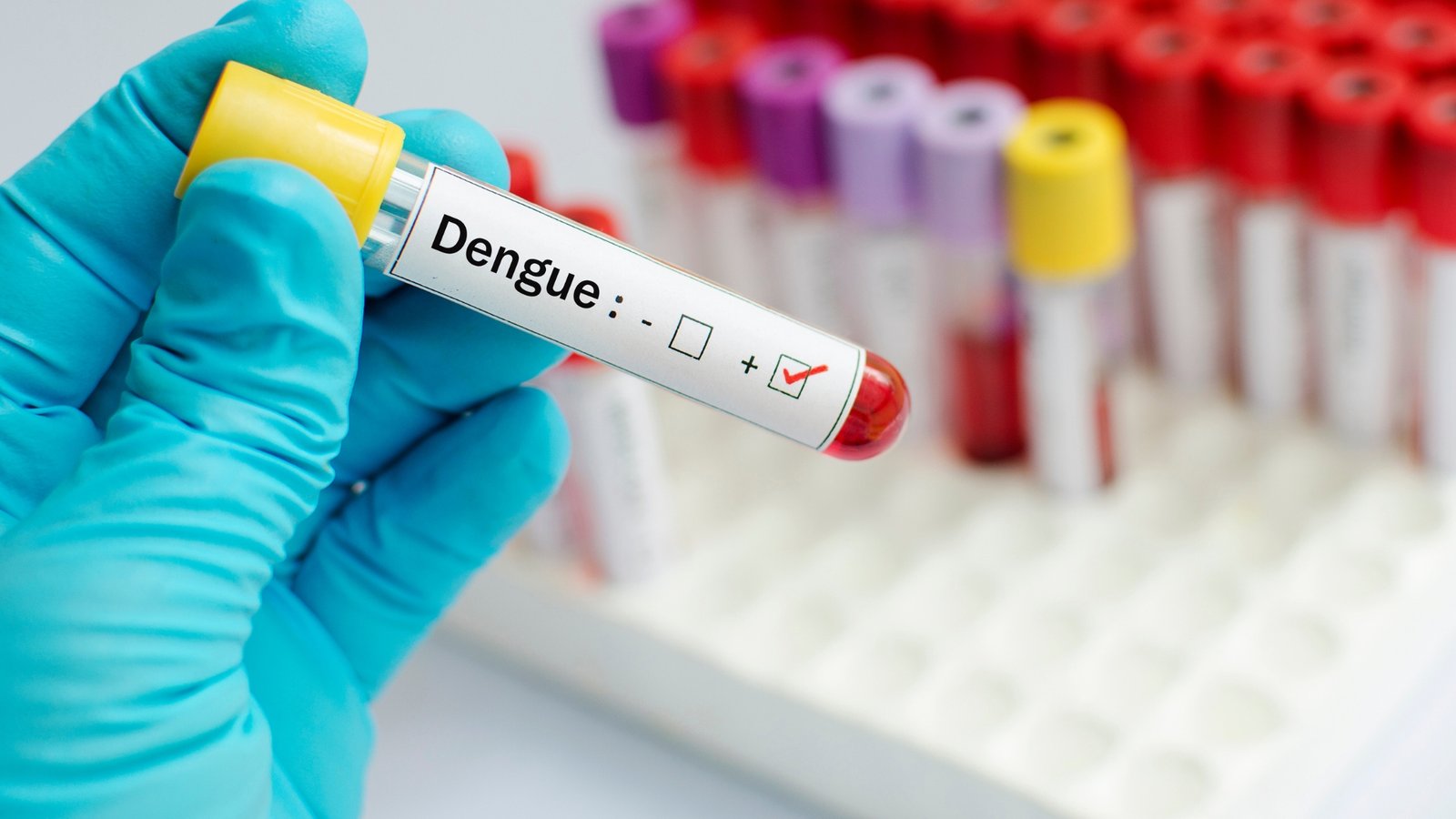
Dengue is confirmed with a blood test. Because early symptoms overlap with other illnesses (including chikungunya and Zika, which the same mosquitoes carry), a lab test is the way to be sure. Tell your provider about any recent travel so they can order the right test.
Treatment: There is no specific antiviral medicine for dengue. Care is supportive and centers on:
- Rest and staying well hydrated
- Using acetaminophen (paracetamol) to control fever and pain
- Avoiding aspirin and non-steroidal anti-inflammatory drugs (NSAIDs) such as ibuprofen and naproxen, because they raise the risk of bleeding
People with warning signs or severe dengue need close monitoring in a hospital, where careful intravenous fluid management can be lifesaving.
Vaccine status: One dengue vaccine, Dengvaxia (CYD-TDV), has been licensed for use. Its use is tightly restricted. It is recommended only for children aged 9 to 16 who have laboratory-confirmed evidence of a previous dengue infection and who live in areas where dengue is common (in the territories, this primarily means Puerto Rico). It is not approved for travelers or for people who have never had dengue, because vaccinating someone with no prior infection can increase their risk of severe disease later. The manufacturer has announced it is ending production, and availability is being phased out, so check current guidance with a health provider. There is no dengue vaccine approved for use by travelers visiting, but not living in, areas where dengue spreads.
How to protect yourself
Since there is no widely available vaccine and no cure, avoiding mosquito bites is the core of protection:
- Use an EPA-registered insect repellent and reapply as directed. See our repellent guide
- Wear long sleeves and long pants when mosquitoes are active. Aedes aegypti bites mostly during the day.
- Fit windows and doors with screens, and use air conditioning where you can.
- Remove standing water around your home at least once a week (buckets, plant saucers, tires, gutters, and bottle caps), since these mosquitoes breed in small containers. See our source-reduction checklist
- If you are sick with dengue, avoid further mosquito bites for the first week so you do not pass the virus to a mosquito that could infect others.
- Check current travel notices before visiting areas where dengue spreads. See our travel prevention page
Sources
- Centers for Disease Control and Prevention. Symptoms of Dengue and Testing. https://www.cdc.gov/dengue/signs-symptoms/index.html. Accessed 20 Jul 2026. (About 1 in 4 infected people get sick; classic symptoms; warning signs of severe dengue and their timing after fever subsides.)
- Centers for Disease Control and Prevention. Manage Dengue (Treatment). https://www.cdc.gov/dengue/treatment/index.html. Accessed 20 Jul 2026. (No specific antiviral; supportive care, hydration, acetaminophen; avoid aspirin and NSAIDs.)
- Centers for Disease Control and Prevention. Dengue Vaccine (Clinical guidance). https://www.cdc.gov/dengue/hcp/vaccine/index.html. Accessed 20 Jul 2026. (Dengvaxia recommended only for children 9 to 16 with confirmed prior infection living in endemic areas; not for travelers or the previously uninfected.)
- Centers for Disease Control and Prevention. Increase in Travel-Associated and Locally Acquired Dengue Cases, United States, 2024. MMWR. https://www.cdc.gov/mmwr/volumes/75/wr/mm7518a1.htm. Accessed 20 Jul 2026. (Record 3,798 cases in 2024; 97.2% travel-associated and 2.8% locally acquired; local cases in Florida, California, and Texas; Puerto Rico public health emergency in March 2024.)
- Centers for Disease Control and Prevention. Health Alert Network (HAN) 00511: Increased Risk of Dengue Virus Infections in the United States. https://www.cdc.gov/han/2024/han00511.html. Accessed 20 Jul 2026. (Higher-risk groups; second-infection risk; ongoing risk in the states and territories.)
- Centers for Disease Control and Prevention. Dengue. CDC Yellow Book, 2026 edition. https://www.ncbi.nlm.nih.gov/books/NBK620887/. Accessed 20 Jul 2026. (Four serotypes; Aedes aegypti and Ae. albopictus vectors; higher risk in infants, pregnant people, and adults 65 and older; severe dengue and secondary infection; non-mosquito transmission routes.)
- Healio. Q&A: The US is losing its only dengue vaccine. https://www.healio.com/news/infectious-disease/20250916/qa-the-us-is-losing-its-only-dengue-vaccine. Accessed 20 Jul 2026. (Manufacturer ending Dengvaxia production; availability being phased out.)
Related
- Aedes aegypti (yellow fever mosquito)
- Aedes albopictus (Asian tiger mosquito)
- Zika virus
- Chikungunya
- How to remove standing water around your home
- Choosing and using insect repellent
Educational reference only. This is not medical advice. If you are sick or think you may have dengue, contact a licensed healthcare provider, and seek emergency care for any warning sign of severe dengue.
Last reviewed 20 July 2026.