Short answer
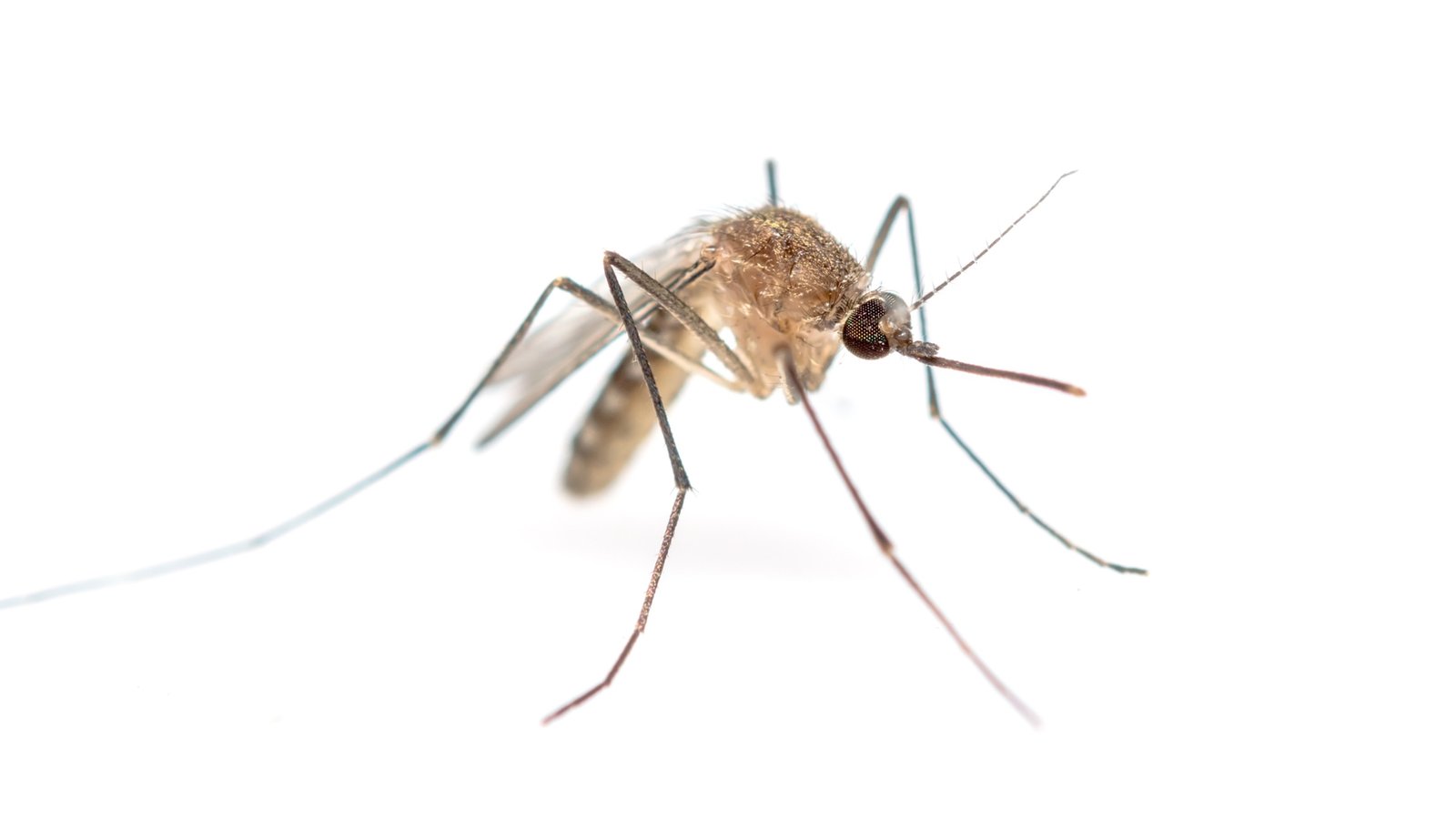
No. A mosquito does not die after biting you. Only female mosquitoes bite, and a female survives the bite, flies off, and will bite again. She takes blood so that her eggs can mature, not for her own nourishment, and both males and females feed on plant nectar for energy (Sources 1, 5).
Over a life that usually runs two to three weeks, a single female can take more than one blood meal and lay more than one batch of eggs. After she lays a batch, if she survives, she soon looks for another blood meal and then lays again (Sources 1, 2). So the picture is the opposite of a one-time event: one mosquito, many bites, several batches of eggs.
Why the bee myth does not apply
The idea that biting kills a mosquito is borrowed from the honey bee, and it does not carry over.
A worker honey bee has a barbed stinger, which is a modified egg-laying organ. When she stings mammal skin, the barbs lodge in the wound. As she pulls away, the stinger and part of her abdomen tear loose, and she dies. Only the worker dies this way; the queen, with a smoother stinger, can sting more than once (Source 6).
A mosquito has no stinger at all. She feeds through a proboscis, a slender set of mouthparts that pierces the skin, draws blood through one channel, and slides back out intact. Saliva goes in through a separate channel (Source 2). Nothing is left behind and nothing is torn away, so the same mouthparts are ready for the next meal. That is the core reason a mosquito lives on after biting while a honey bee does not.
One mosquito, many bites
Because the proboscis is reusable, feeding repeats. A female generally lives long enough to lay one to three batches of eggs, and each batch follows a fresh blood meal (Source 1). Adult females of species that shelter over winter in garages, culverts, and attics can live far longer, up to about six months, which stretches the number of feeding and egg-laying rounds still further (Source 1).
Within a single feeding round, a mosquito may not even finish on one host. If she is interrupted, she can move to another person or animal to top up, so several bites can come from the same insect in one sitting (Source 11).
This is why a cluster of bites is not proof of a swarm. A few determined females, feeding and returning, can account for a lot of welts. See our related page on bite clusters ([Related: Why do I have so many mosquito bites in one spot?]).
What actually kills them
If biting does not end a mosquito’s life, what does? A few things.
- Predators. Fish such as the eastern and western mosquitofish (Gambusia), dragonfly larvae, and other aquatic invertebrates eat mosquito larvae and pupae in standing water; one adult mosquitofish can eat up to about 100 larvae a day (Source 8). Note that stocking non-native fish is often ineffective and can harm native wildlife, so agencies favor native predators and emptying containers instead (Source 9). Birds, bats, and adult dragonflies also eat flying adults, though adults are a smaller share of the total pressure on populations.
- Age. Even undisturbed, an adult female’s normal span is only a few weeks (Source 1).
- Cold. Mosquitoes are cold-blooded and slow or stop in cool weather. Some species, such as the northern house mosquito (Culex pipiens), survive winter as dormant adult females in sheltered sites rather than staying active (Sources 4, 7).
- Control. Organized mosquito control leans first on source reduction, removing the standing water where larvae grow, backed by biological and chemical methods as part of integrated management (Source 10).
Why this matters for disease
A mosquito that survives biting is exactly what makes some mosquitoes dangerous. Because one female feeds again and again, she can pick up a virus from one host and pass it to others in later bites.
West Nile virus shows the pattern. A mosquito becomes infected by feeding on an infected bird, and after roughly a week it can pass the virus to new hosts, including people, when it bites again (Source 3). Taking more than one blood meal can also help a virus spread and build up inside the mosquito, raising the odds it will be passed on (Source 11). People are usually “dead-end” hosts for West Nile virus, meaning they do not carry enough virus to reinfect a biting mosquito (Source 3).
The takeaway for prevention is simple: because a single mosquito keeps biting, reducing bites and removing breeding water both matter. For more, see our related pages below.
Sources
- American Mosquito Control Association, FAQs. Female adults usually live two to three weeks (up to about six months for over-wintering species); females take blood so eggs can mature; a female generally lays one to three batches of eggs and seeks another blood meal after laying; males do not take blood. https://www.mosquito.org/faqs/ (accessed 20 July 2026)
- American Mosquito Control Association, Mosquito Biology. Mosquitoes feed through a proboscis and regurgitate saliva into the wound through a separate channel from the one that draws blood. https://www.mosquito.org/mosquito-biology/ (accessed 20 July 2026)
- Centers for Disease Control and Prevention, West Nile Virus: Causes and How It Spreads. Mosquitoes become infected by feeding on infected birds and can transmit the virus to people in later bites; people are dead-end hosts. https://www.cdc.gov/west-nile-virus/causes/index.html (accessed 20 July 2026)
- Centers for Disease Control and Prevention, About Culex Mosquitoes. Culex behavior and overwintering as adult females. https://www.cdc.gov/mosquitoes/about/culex-mosquitoes.html (accessed 20 July 2026)
- University of California Agriculture and Natural Resources, “Mosquitoes: The True Vampires” (The Stanislaus Sprout). Only females bite; they need protein from blood to develop eggs; males and females also feed on nectar. https://ucanr.edu/blog/stanislaus-sprout/article/mosquitoes-true-vampires (accessed 20 July 2026)
- University of California Agriculture and Natural Resources, Bug Squad, “Why Do Honey Bees Die When They Sting.” A worker’s barbed stinger and part of the abdomen tear loose when she stings and pulls away, killing her; the queen can sting more than once. https://ucanr.edu/blog/bug-squad/article/why-do-honey-bees-die-when-they-sting (accessed 20 July 2026)
- Ohio State University Extension (Ohioline), “Northern House Mosquito,” fact sheet ENT-89. Culex pipiens biology and overwintering as adult females. https://ohioline.osu.edu/factsheet/ent-89 (accessed 20 July 2026)
- University of Florida IFAS Extension, “Eastern Mosquitofish, Gambusia holbrooki, for Control of Mosquito Larvae,” FA202. Mosquitofish are widely used larval predators; one adult can eat up to about 100 larvae a day. https://ask.ifas.ufl.edu/publication/FA202 (accessed 20 July 2026)
- Oregon State University, “Releasing non-native fish to control mosquitoes is often ineffective and harmful to environment.” Non-native mosquitofish can damage native species; native predators and source reduction are preferred. https://news.oregonstate.edu/news/releasing-non-native-fish-control-mosquitoes-often-ineffective-and-harmful-environment (accessed 20 July 2026)
- Centers for Disease Control and Prevention, Emerging Infectious Diseases journal, “Pesticides and Public Health: Integrated Methods of Mosquito Management.” Integrated management centers on source reduction plus biological and chemical control. https://wwwnc.cdc.gov/eid/article/7/1/70-0017_article (accessed 20 July 2026)
- O’Donnell et al., “Multiple bloodmeals enhance dissemination of arboviruses in three medically relevant mosquito genera,” peer-reviewed (PMC). Additional blood meals promote virus dissemination inside the mosquito. https://www.ncbi.nlm.nih.gov/pmc/articles/PMC11490111/ (accessed 20 July 2026)
Related
- [Related: Why do I have so many mosquito bites in one spot?]
- [Related: How long do mosquitoes live?]
- [Related: Do only female mosquitoes bite?]
- [Related: How do mosquitoes spread disease?]
Educational note: This page is general science education about mosquito biology, not medical advice. For diagnosis or treatment of any illness, consult a licensed clinician or your local health department.
Last reviewed 20 July 2026.