Short answer
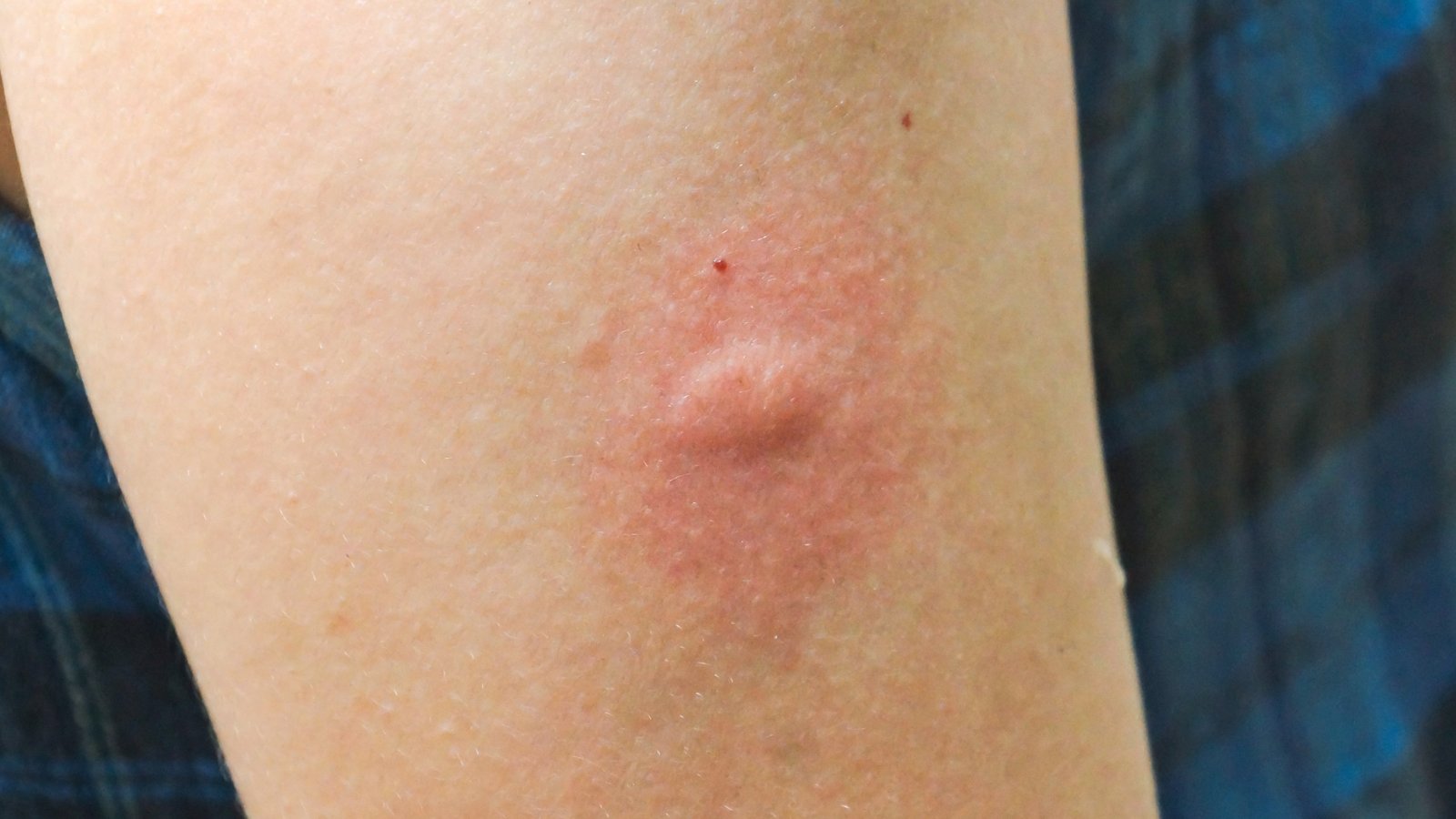
Mosquito bites are common. They are itchy, they often come in more than one, and they land on skin that was left uncovered, such as ankles, arms, neck, and face. Each bite is usually a small puffy bump that shows up within minutes and fades over a few days (Sources 6, 7).
Genuine spider bites are uncommon, and this matters more than most people expect. A real spider bite is usually a single mark, not a cluster, because a spider bites once and moves on. Most spiders are not aggressive, and bites tend to happen only when a spider is trapped against the skin (Source 3). Most bites from common household spiders are minor, with some redness, pain, or swelling, and need no special treatment (Source 1).
Here is the part worth being honest about. A large share of the skin sores that people blame on spiders are not spider bites at all. In one emergency department study of 182 patients who came in reporting a spider bite, only 3.8 percent were actually diagnosed with a spider bite, while 85.7 percent turned out to have a skin infection (Source 5). If you have an angry, spreading, or draining sore and you never saw a spider, an infection is the more likely explanation.
Side-by-side comparison
| Mosquito | Spider | |
|---|---|---|
| Number | Often several, in a loose cluster or scattered on exposed skin (Sources 6, 7) | Usually one, since a spider bites once (Source 3) |
| Appearance | Small round puffy bump, often with a tiny center dot, pink or red on lighter skin (Sources 6, 7) | Often redness, pain, and swelling; a widow bite may look like two small puncture marks, a recluse bite may become a blister with a bruise-like or bull’s-eye ring (Sources 1, 3) |
| Symptoms | Itch is the main feature; bites are annoying but calm (Sources 6, 7) | Common spider bites are mild; the rare serious bites can bring muscle cramps and whole-body symptoms (widow) or a slow-growing painful sore (recluse) (Sources 1, 2, 3) |
| When to worry | Spreading redness, red streak, pus, warmth, fever, or trouble breathing (Sources 8, 9) | Severe pain, muscle cramps, trouble breathing, a growing wound, or spreading redness (Sources 1, 2) |
The mosquito bite in brief
A mosquito bite is your body reacting to proteins in mosquito saliva. It usually appears as a puffy reddish bump within a few minutes, then often settles into a firmer, itchy, reddish-brown bump a day or so later before flattening out. Most bites clear on their own within a few days (Sources 6, 7).
Two features make mosquito bites easy to recognize. First, they tend to come in more than one, because a mosquito or several may feed in the same session. Second, they favor uncovered skin. The itch is the most reliable clue that you are dealing with a mosquito rather than something else (Sources 6, 7). For a fuller description, see our page on what a mosquito bite looks like. [RELATED: What a mosquito bite looks like]
Spider bites in brief
Most spiders you meet indoors or in the yard are harmless to people. Their bites, when they happen at all, usually cause only local redness, pain, and swelling, and typically do not need medical care (Source 1). Spiders are not out to bite you. They generally bite only when trapped or pressed against the skin, which is why a real bite is almost always a single mark rather than a cluster (Source 3).
Two kinds of spider bite are genuinely worth knowing about, though both are uncommon.
- Widow bites (black widow and relatives). The bite often causes an immediate sharp, pinprick-like pain, and the venom is a neurotoxin. Within a few hours it can bring painful muscle cramps and stiffness in the abdomen, back, chest, or shoulders, along with sweating, nausea, and in severe cases trouble breathing. Two small puncture marks are sometimes visible (Sources 1, 3).
- Recluse bites (brown recluse and relatives). These are not painful at first and may go unnoticed. Pain can begin about an hour later, and over the following hours or days the site may form a blister surrounded by a bruise-like or bull’s-eye discoloration that can break down into a slow-healing sore (Sources 1, 3). Recluse spiders are regional, established mainly in the midsection and lower-central parts of the country rather than nationwide, so a recluse bite is unlikely outside those areas (Source 4).
Why most spider bites are misdiagnosed
This is the most useful thing to understand about spider bites, so it is worth stating plainly. Many sores blamed on spiders are actually skin and soft-tissue infections, and the diagnosis of a spider bite is frequently made when no spider was ever seen.
The evidence is consistent. In the emergency department study mentioned above, of 182 patients who reported a spider bite, only 3.8 percent truly had one, while 85.7 percent were diagnosed with an infection (Source 5). A separate review of 422 patients who thought they had a spider bite found that Staphylococcus aureus was responsible for 76 percent of the cases, and 59 percent were specifically methicillin-resistant Staphylococcus aureus (MRSA) (Source 4). MRSA sores and recluse bites can look similar, which is a large part of why the mix-up happens (Source 4).
Two habits drive the confusion. People assume a spider bite because of how bad a sore looks, even without seeing a spider, and clinicians outside recluse territory sometimes diagnose recluse bites where those spiders are not established (Source 4). If you have a worsening sore and no spider was seen, an infection that needs treatment is the more likely cause, and it is worth getting checked.
When to see a doctor
Call for medical help right away if you have signs of a serious spider bite or a spreading infection, including severe pain, painful muscle cramps or stomach cramping, a wound that is growing, spreading redness or red streaks, trouble breathing or swallowing, or if you know you were bitten by a widow or recluse spider (Sources 1, 2).
For a mosquito bite, the bite itself is rarely the problem. Watch instead for signs of a skin infection, such as a reddish streak spreading from the bite, pus or drainage, increasing warmth, or fever, and for whole-body symptoms like trouble breathing or swelling of the lips, tongue, or face, which call for emergency care (Sources 8, 9). When you are unsure what caused a mark, or a sore is not improving, a clinician or board-certified dermatologist can take a look (Source 9).
Sources
- Cleveland Clinic, Spider Bites: Symptoms and Treatment. Most common spider bites cause only redness, pain, and swelling and need no care; black widow immediate sharp pain, cramps, and breathing trouble; brown recluse delayed pain with a blister and bull’s-eye discoloration; when to seek help. https://my.clevelandclinic.org/health/diseases/16639-spider-bites (accessed 2026-07-20)
- Mayo Clinic, Spider bites (Symptoms and causes). Harmless bites may cause redness, pain, and swelling or nothing at all; black widow sharp pinprick pain then numbness; brown recluse pain about an hour later; seek care for severe pain, cramping, a growing wound, spreading redness or red streaks, or trouble breathing or swallowing. https://www.mayoclinic.org/diseases-conditions/spider-bites/symptoms-causes/syc-20352371 (accessed 2026-07-20; page not directly retrievable, content confirmed via search result snippet)
- CDC (NIOSH), Venomous Spiders at Work. Black widow and brown recluse are the venomous spiders of concern; spiders are usually not aggressive and most bites occur when a spider is trapped or contacted; recluse cannot bite without counterpressure; widow neurotoxin pain spreads to chest and abdomen; recluse stinging with localized, often delayed pain. https://www.cdc.gov/niosh/outdoor-workers/about/venomous-spiders.html (accessed 2026-07-20; page returned 403, content confirmed via search result snippet)
- American Academy of Family Physicians (AAFP), Diagnosis of Brown Recluse Spider Bites Is Overused. Recluse spiders endemic only to specific regions; of 422 patients presumed to have spider bites, Staphylococcus aureus caused 76 percent (59 percent MRSA); bites often assumed without seeing a spider. https://www.aafp.org/pubs/afp/issues/2007/1001/p943.html (accessed 2026-07-20)
- Suchard JR, “Spider Bite” Lesions are Usually Diagnosed as Skin and Soft-Tissue Infections, Journal of Emergency Medicine. Of 182 emergency department patients reporting a spider bite, 3.8 percent were diagnosed with a spider bite and 85.7 percent with an infection. https://jem-journal.com/article/S0736-4679(09)00792-6/fulltext (accessed 2026-07-20)
- Cleveland Clinic, Mosquito Bites: What They Look Like, Why They Itch and Treatment. Raised bump within minutes, may have a small center dot, itchy, clears within a few days. https://my.clevelandclinic.org/health/diseases/17695-mosquito-bites (accessed 2026-07-20)
- CDC, About Mosquito Bites. Puffy reddish bump a few minutes after the bite; firmer itchy reddish-brown bump a day or so later; multiple bumps if bitten more than once. https://www.cdc.gov/mosquitoes/about/about-mosquito-bites.html (accessed 2026-07-20; page returned 403, content confirmed via search result snippet)
- Cleveland Clinic, Bug Bites and Stings (First Aid). Signs of skin infection, including a reddish streak spreading from the area, blisters, and pus or drainage. https://my.clevelandclinic.org/health/diseases/bug-bites (accessed 2026-07-20)
- American Academy of Dermatology (AAD), Bug bites and stings: When to see a dermatologist. Emergency signs, whole-body reactions, and when to seek a dermatologist. https://www.aad.org/public/everyday-care/injured-skin/bites/bug-bites-see-dermatologist (accessed 2026-07-20)
Related
- [RELATED: What a mosquito bite looks like]
- [RELATED: Mosquito bites vs other bug bites]
- [RELATED: When to see a doctor about a bite]
- [RELATED: Signs a bite is infected]
Educational note: This page is for general information and is not medical advice. Real spider bites are uncommon, and most alarming skin sores blamed on spiders turn out to be infections or other bites. If a sore is worsening, spreading, or draining, or if you have severe or whole-body symptoms, contact a clinician.
Last reviewed 20 July 2026.