The short answer
The single most effective thing you can do about mosquitoes is get rid of standing water. Everything else is secondary.
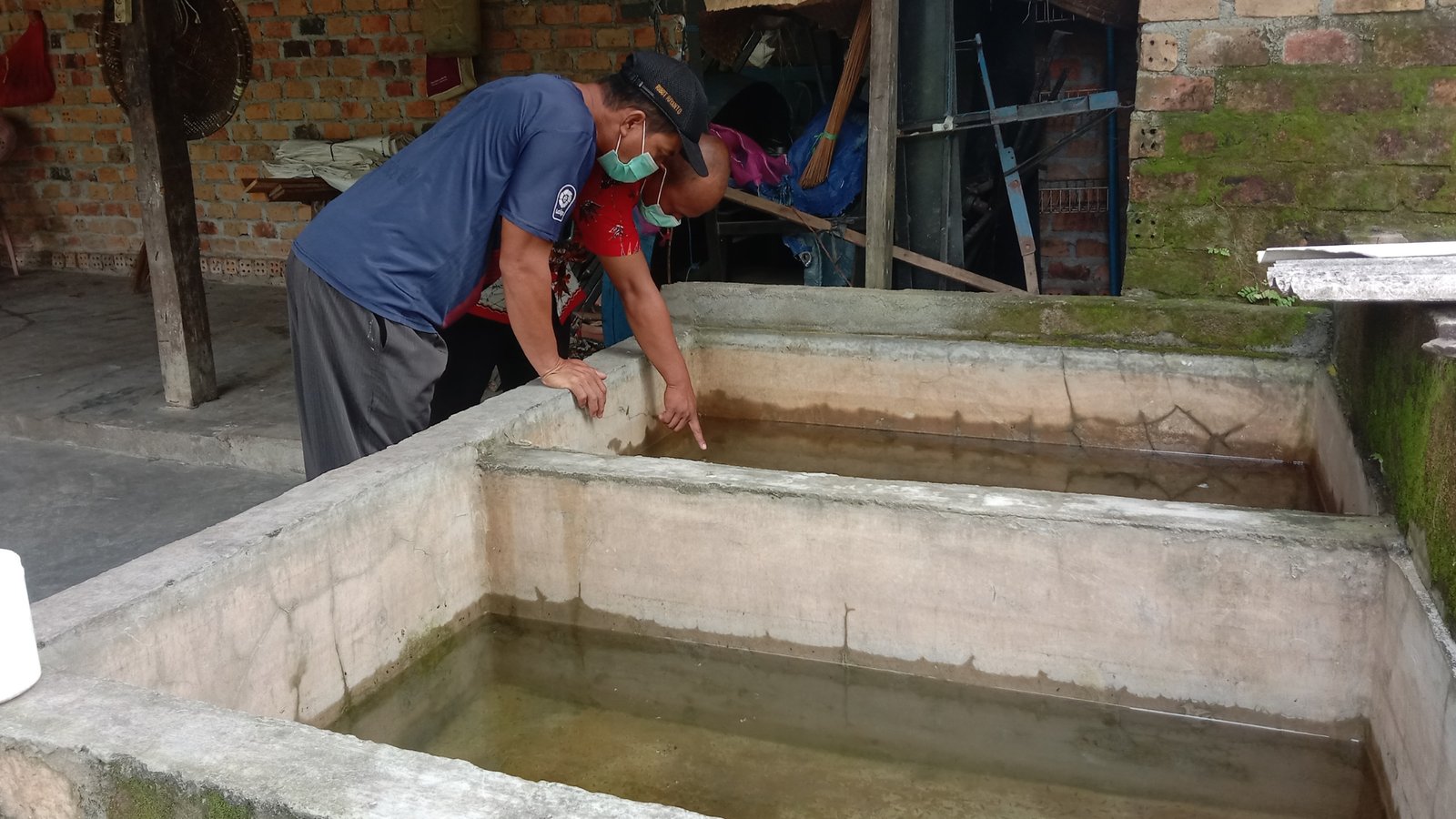
Mosquitoes need water to breed. A female lays her eggs in or near standing water, and the young stages (larvae and pupae) live in that water until they emerge as biting adults. No water, no next generation. This is why public health agencies rank habitat removal, called source reduction, at the top of every control plan. As the EPA puts it plainly, “Egg and larva interventions are generally the most effective, least costly, way to control mosquitoes” (Source 1).
An honest hierarchy looks like this. First, remove or empty standing water. Second, treat the water you cannot remove with a targeted larvicide. Third, protect yourself personally with an EPA-registered repellent and screens. Adult spraying (fogging) sits last, because it is the least efficient and shortest-lasting tool, useful mainly during disease outbreaks or heavy nuisance flare-ups.
Most of the money spent on mosquitoes goes to the bottom of this list or off it entirely. Bug zappers, ultrasonic apps, and most backyard gadgets do little or nothing for biting mosquitoes. The cheap, unglamorous step at the top of the list is the one that actually works.
The control hierarchy
Mosquito control works best as an integrated approach, sometimes called Integrated Mosquito Management (IMM) or integrated pest management (IPM). The idea is to hit mosquitoes where they are most vulnerable, which is when they are still concentrated in water, and to use chemicals only when and where they are actually needed.
The EPA describes the approach as four steps in order (Source 1):
- Remove mosquito habitats (source reduction).
- Use structural barriers, such as window and door screens.
- Control mosquitoes at the larval stage, in the water.
- Control adult mosquitoes, as a last resort.
The logic behind the order is straightforward. Mosquitoes in the larval stage are crowded together, cannot fly away, and are confined to known bodies of water, which makes them cheap and easy to reach. Adults are spread out, mobile, and constantly replaced, which makes them expensive and frustrating to chase. The American Mosquito Control Association makes the same point: “An efficient way to control mosquitoes is to find and eliminate their larval habitat” (Source 2).
Professional programs add surveillance to the front of this list. Traps and larval sampling tell them where mosquitoes actually are, so that any spraying is targeted rather than blanket. The AMCA notes that “applications of adulticides or larvicides are made after the presence of mosquitoes has been demonstrated by surveillance procedures” (Source 2).
What works well
Source reduction (removing standing water). This is the highest-value action, and it is free. The CDC recommends that once a week you “empty and scrub, turn over, cover, or throw out” any item that holds water, such as tires, buckets, planters, toys, wading pools, birdbaths, flowerpot saucers, and trash containers (Source 3). The weekly cadence matters because it takes roughly a week for larvae to develop into biting adults, so a weekly reset breaks the cycle before it completes. Container-breeding species like the invasive Aedes need very little water, so even a bottle cap or a clogged gutter counts.
Bti larvicides. For water you cannot dump or drain, such as ornamental ponds, rain barrels, and low spots that stay wet, a larvicide treats the problem at the source. The most widely used is Bti (Bacillus thuringiensis subspecies israelensis), a naturally occurring soil bacterium sold in forms like floating “dunks.” Bti “specifically target and only affect the larvae of the mosquito, blackfly and fungus gnat,” and the EPA states that “Bti has no toxicity to people” and is approved for use in organic farming (Source 4). Larvae must eat it, after which its toxins destroy their gut. It has been used for mosquito control for decades with almost no documented resistance.
EPA-registered repellents for personal protection. Repellents do not reduce the mosquito population, but they reliably keep bites off you, which is the outcome most people actually want. The CDC and EPA recommend products with active ingredients that have been evaluated for safety and effectiveness: DEET, picaridin, IR3535, oil of lemon eucalyptus (OLE) or its component PMD, and 2-undecanone (Source 5). DEET is the most studied and dependable. Picaridin at 20 percent gives comparable protection for many hours. OLE gives shorter protection and, along with PMD, should not be used on children under three years old (Source 6). Used as directed, EPA-registered repellents are considered safe, including during pregnancy.
Community vector control. Some water sources cross property lines: storm drains, marshes, drainage ditches, neglected pools. Local mosquito control programs and districts handle these with surveillance, larviciding, and, when necessary, targeted adult control. Their work is what keeps neighborhood-scale breeding sites from undoing individual efforts. Contacting your local program about a chronic breeding site is often more effective than anything you can buy.
What is oversold or ineffective
Plenty of products are marketed for mosquitoes that the evidence does not support.
Bug zappers. The classic ultraviolet electrocution trap barely touches mosquitoes. In a one-night test at the University of Florida’s Florida Medical Entomology Laboratory, out of roughly 10,000 insects killed by a single zapper, only eight were mosquitoes (Source 7). Mosquitoes locate people by carbon dioxide and body odor, not UV light, so they largely ignore the device. Worse, zappers kill large numbers of harmless and beneficial insects, so they can do net ecological harm while providing no relief from bites.
Ultrasonic repellers and apps. Devices and phone apps that emit high-pitched sound do not repel mosquitoes. A Cochrane systematic review of ten field studies found that these electronic mosquito repellents “have no effect on preventing mosquito bites,” and concluded there is “no justification for marketing them to prevent malaria infection” (Source 8). The reviewers recommended against further trials because the result was so consistent.
Most backyard gadgets and folk fixes. Foliage misting on a timer, citronella-only setups, and similar products tend to underdeliver against the basics. If a product promises to clear an outdoor space of mosquitoes without addressing where they breed, treat the claim skeptically. For a closer look at specific claims, see the myth-check pages linked below.
DIY vs professional vs mosquito control districts
For most homeowners, the highest-return work is DIY and cheap: walk your property weekly, empty containers, unclog gutters, and drop a Bti product into water you cannot remove. This handles the majority of yard-generated mosquitoes at almost no cost.
Professional services can be worth it when the problem is larger than a yard walk can fix, when someone in the household reacts badly to bites, or when you simply want it managed. Be aware that many residential services rely on barrier sprays of adult-killing insecticide on foliage, which knocks down adults temporarily but does not stop breeding and must be repeated. Ask any provider what they do about standing water and larvae, not just adults.
Mosquito control districts and public programs are a separate, often free, resource. Funded locally, they run surveillance, treat public water bodies, and respond to complaints. They are the right call for breeding sites you do not own or control, and for disease-season concerns. Use them; they exist for exactly this.
Do it safely
Even low-toxicity tools deserve care.
Larvicides. Bti is highly specific and is considered non-toxic to people, pets, birds, fish, bees, and other pollinators, because its toxins act only on the larvae of mosquitoes, black flies, and fungus gnats (Source 4). Still, follow the label; it is the law, and it sets the correct dose.
Repellents and kids. Use EPA-registered products as directed. Do not use OLE or PMD products on children under three (Source 6). Apply to your own hands and then to a child’s face rather than spraying directly, and wash it off once indoors.
Pollinators. The concern with adult-killing sprays (adulticides) is not larvicides but broad insecticide fogging, which can harm bees and other beneficial insects if applied carelessly. This is another reason adult spraying sits last in the hierarchy and should be targeted, timed to avoid pollinator activity, and left to trained applicators where possible.
Pets. Keep animals away from treated surfaces until they dry, and store all products out of reach. Empty and refresh pet water bowls and outdoor dishes regularly, since they double as breeding sites.
Methods and how well they work
| Method | What it does | How well it works | Notes |
|---|---|---|---|
| Remove standing water (source reduction) | Eliminates breeding sites | Most effective, lowest cost | Weekly; free; the top priority (Source 1, 3) |
| Bti larvicide | Kills larvae in water you can’t drain | Very effective, targeted | Low toxicity to non-targets; follow label (Source 4) |
| Window and door screens | Keeps adults out of the home | Effective for indoor protection | Repair tears; a structural barrier (Source 1) |
| EPA-registered repellent | Prevents bites on skin | Effective personal protection | DEET, picaridin, IR3535, OLE/PMD, 2-undecanone (Source 5) |
| Community / district vector control | Treats shared and public water | Effective at neighborhood scale | Surveillance-led; often free (Source 2) |
| Adult spraying / fogging | Knocks down flying adults | Short-lived; least efficient | Last resort; target and time carefully (Source 1, 2) |
| Bug zappers | Electrocutes insects at UV light | Ineffective for mosquitoes | Kills mostly non-target insects (Source 7) |
| Ultrasonic repellers and apps | Emit high-pitched sound | No measurable effect | No evidence of benefit (Source 8) |
Sources
- U.S. Environmental Protection Agency, “Success in Mosquito Control: An Integrated Approach” (four-step IMM hierarchy; larval interventions most effective and least costly). https://www.epa.gov/mosquitocontrol/success-mosquito-control-integrated-approach (accessed 2026-07-20)
- American Mosquito Control Association, “Mosquito Control” (integrated management; eliminate larval habitat; surveillance before applications). https://www.mosquito.org/mosquito-control/ (accessed 2026-07-20)
- Centers for Disease Control and Prevention, “Preventing Mosquito Bites” and “Mosquito Control at Home” (empty and scrub water-holding items weekly). https://www.cdc.gov/mosquitoes/prevention/index.html and https://www.cdc.gov/mosquitoes/mosquito-control/mosquito-control-at-home.html (accessed 2026-07-20)
- U.S. Environmental Protection Agency, “Bti for Mosquito Control” (target specificity; no toxicity to people; safety for non-target organisms). https://www.epa.gov/mosquitocontrol/bti-mosquito-control (accessed 2026-07-20)
- Centers for Disease Control and Prevention, “Preventing Mosquito Bites” (EPA-registered repellent active ingredients: DEET, picaridin, IR3535, OLE/PMD, 2-undecanone). https://www.cdc.gov/mosquitoes/prevention/index.html (accessed 2026-07-20)
- National Pesticide Information Center, “Insect Repellents” fact sheet (OLE/PMD not for children under three; use as directed). https://npic.orst.edu/factsheets/repellents.html (accessed 2026-07-20)
- University of Florida / IFAS, “Electric Bug Zappers Useless For Controlling Mosquitoes” (of ~10,000 insects killed in a one-night test, only eight were mosquitoes; J. Day, Florida Medical Entomology Laboratory). https://blogs.ifas.ufl.edu/news/1997/07/23/electric-bug-zappers-useless-for-controlling-mosquitoes/ (accessed 2026-07-20)
- Enayati A, Hemingway J, Garner P. “Electronic mosquito repellents for preventing mosquito bites and malaria infection.” Cochrane Database of Systematic Reviews, 2007 (ten field studies; no effect on preventing bites). https://www.cochranelibrary.com/cdsr/doi/10.1002/14651858.CD005434.pub2/full (accessed 2026-07-20)
Explore control methods
- Source reduction: a room-by-room, yard-by-yard checklist (placeholder link)
- Bti and larvicides: how to use dunks and granules safely (placeholder link)
- Choosing a repellent that works: DEET, picaridin, and the rest (placeholder link)
- Myth-check: do bug zappers work? (placeholder link)
- Myth-check: ultrasonic and app repellers (placeholder link)
- Working with your local mosquito control district (placeholder link)
Educational note: This page is an independent, non-commercial reference. It summarizes public-health guidance and peer-reviewed evidence and does not sell or endorse any product or service. Always read and follow pesticide product labels, which carry the force of law, and consult your local mosquito control program for area-specific advice.
Last reviewed 20 July 2026.