Short answer
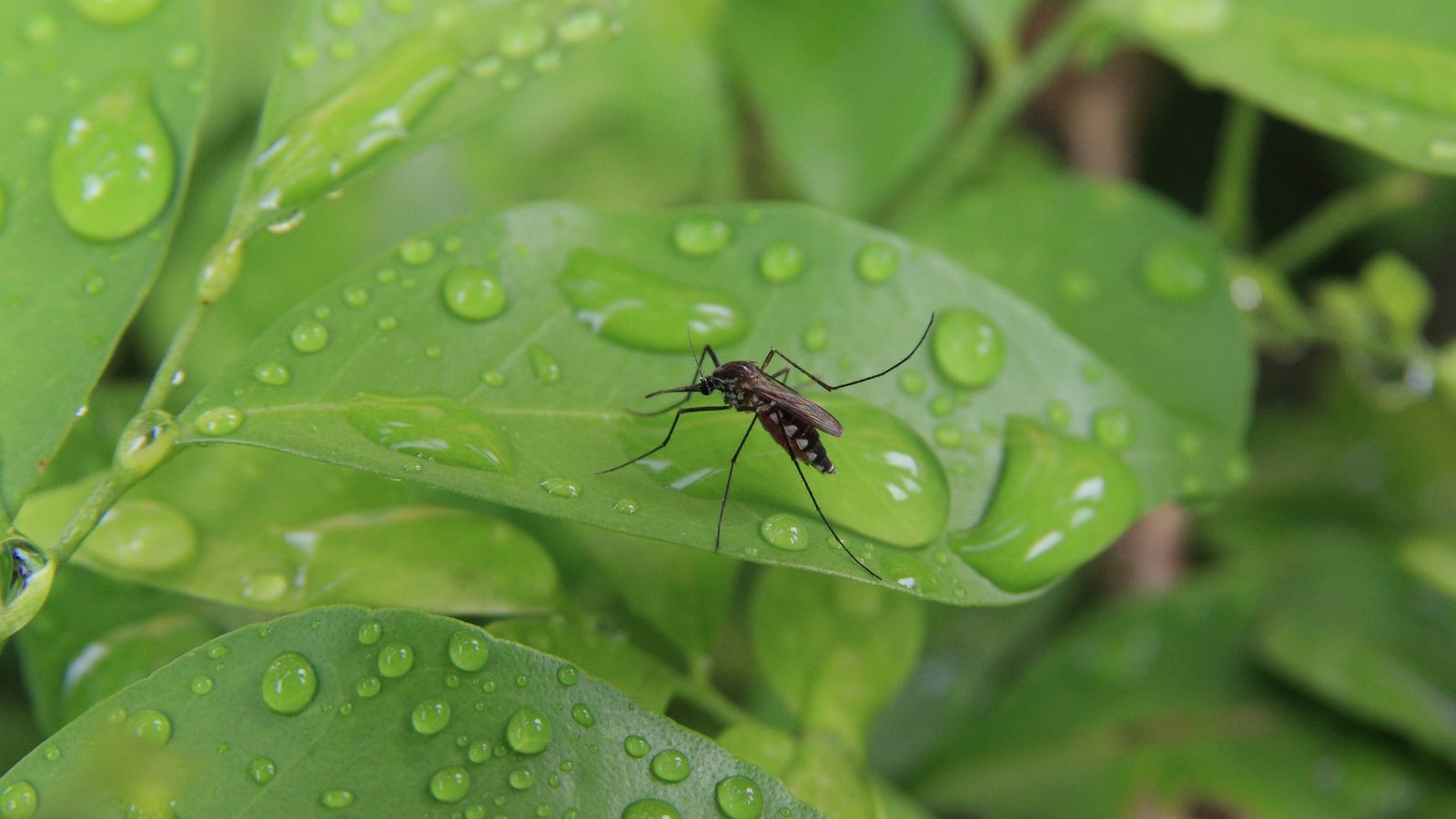
Fall often brings a second wave of mosquitoes, and it remains a high-risk time for West Nile virus and eastern equine encephalitis (EEE) until the first hard frost. Cooler days can make it feel like the season is over, but the mosquitoes that are still flying can still transmit disease. Do not let your guard down. Keep using repellent and keep draining standing water until a killing frost ends the active season in your area.
Why the fall surge happens
The summer does not always end mosquito activity. In many regions it simply sets up a second push.
Late-season rain is the main driver. Floodwater mosquitoes such as Aedes vexans lay drought-resistant eggs in low, flood-prone ground, and those eggs hatch in large, synchronized broods when heavy rain finally soaks them (Source 1). Where warm weather and periodic downpours continue, successive broods can keep numbers high well into September, and in some years large emergences have been recorded as late as October (Source 1). Mosquito numbers commonly climb in the roughly two weeks after a heavy rain, the time it takes eggs to hatch and larvae to develop (Source 2).
The weather in early fall is cooler but still active. As long as it stays warm and there is no hard frost, populations continue to develop and bite. So a warm, wet stretch in September or October can bring biting mosquitoes back in force, even after a cool spell made things quiet for a while.
Disease risk stays high early in fall
This is the part people underestimate. Mosquito-borne disease risk does not track the calendar peak of summer heat. It peaks later.
For West Nile virus, transmission is highest in summer and early fall, and human cases typically peak from late August into early September (Source 3). Most reported cases cluster in the July through September window, and the mosquito season generally runs from summer through fall (Source 3).
For EEE, the risk is highest from late July through September and continues until the first hard frost, which is why health officials advise keeping up protective measures through October and into November (Sources 4, 5). The adult mosquitoes that spread EEE are the ones killed off by frost in the fall (Source 5).
There is a hard truth inside the fall numbers. Even as total mosquito populations start to fall off, the mosquitoes still flying in autumn are more likely to be carrying infection, which is part of why fall can be such a risky stretch (Source 4). Fewer mosquitoes does not mean lower risk.
Overwintering starts
Fall is also when some mosquitoes begin preparing to survive the winter rather than to breed.
In Culex pipiens, a key West Nile vector, inseminated adult females from the last generation of the season stop seeking blood, feed on plant sugars to build fat reserves, and enter hibernation in the fall (Source 6). These females pass the winter in diapause, a dormant state, and commonly shelter in basements, outbuildings, and other subterranean spaces where the air stays humid (Source 6). That is why a mosquito can turn up indoors on a mild late-fall or winter day. For how this carries the season across the cold months, see the overwintering guide in Related below.
Keep protecting yourself until frost
The practical takeaway is simple. Treat early and mid fall like peak season, not like the offseason.
- Keep using an EPA-registered repellent when you are outdoors, especially around dawn and dusk.
- Wear long sleeves and long pants when mosquitoes are active.
- Empty, drain, or cover anything holding water after each rain, since fresh fall rain restarts the breeding cycle.
- Keep screens on windows and doors in good repair, which also helps keep overwintering-bound females out of living spaces.
- Stay consistent until your area has had a hard, killing frost. That, not the first cool morning, is what reliably shuts the season down.
Sources
- Michigan State University Extension, “What can I do about the mosquito super emergence?” Describes heavy-rain floodwater broods of Aedes vexans, activity persisting into September, and October emergences in some years. https://www.canr.msu.edu/news/what_can_i_do_about_the_mosquito_super_emergence (accessed 20 July 2026).
- Texas A&M AgriLife Today, “Mosquito populations boom after rains.” Notes populations rising roughly two weeks after heavy rainfall. https://agrilifetoday.tamu.edu/2023/06/28/mosquito-populations-boom-after-rains/ (accessed 20 July 2026).
- Centers for Disease Control and Prevention, “About West Nile.” States transmission is highest in summer and early fall, cases peak late August to early September, and season runs summer through fall. Page returned an access block on direct fetch; content taken from the search result summary of the same URL. https://www.cdc.gov/west-nile-virus/about/ (accessed 20 July 2026).
- New Hampshire Department of Health and Human Services, “The Riskiest Time of Year for Eastern Equine Encephalitis.” States EEE risk continues until first frost, advises protection through October and November, and notes remaining fall mosquitoes are more likely to be infected. Page returned an access block on direct fetch; content taken from the search result summary of the same URL. https://www.dhhs.nh.gov/news-and-media/riskiest-time-year-eastern-equine-encephalitis (accessed 20 July 2026).
- Connecticut Mosquito Management Program, “Eastern Equine Encephalitis FAQs.” States EEE risk is highest from late July through September and that the adult mosquitoes spreading the virus are killed by frost in the fall. https://portal.ct.gov/mosquito/diseases/eastern-equine-encephalitis-faqs (accessed 20 July 2026).
- Rutgers Center for Vector Biology, “Culex pipiens Linnaeus.” States inseminated females from the last generation build fat reserves and enter hibernation in fall, pass winter in diapause, and shelter in basements and subterranean enclosures. https://vectorbio.rutgers.edu/outreach/species/pip2.htm (accessed 20 July 2026).
Related
- Overwintering: where mosquitoes go in winter [placeholder]
- West Nile virus: what to know [placeholder]
- Eastern equine encephalitis (EEE): risk and prevention [placeholder]
- Summer: peak mosquito season [placeholder]
- Choosing and using repellent [placeholder]
Educational note: This guide is general reference information, not medical advice. Mosquito activity and disease risk vary by region and year. For local conditions and guidance, consult your state or local health department or mosquito control district.
Last reviewed 20 July 2026.