The short answer
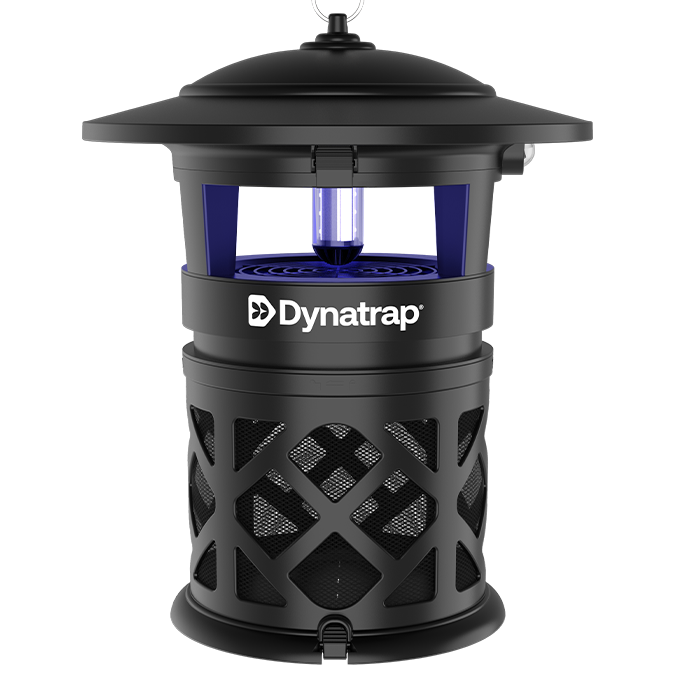
No, not really. Electric bug zappers, the ultraviolet units that snap and pop on a summer evening, kill enormous numbers of insects, but almost none of them are biting mosquitoes. When independent researchers counted the catch, mosquitoes and other biting flies made up a fraction of one percent of the dead in some studies and only a few percent in others. Worse, a large share of what the units do kill is harmless or beneficial: nonbiting aquatic insects, pollinators, and the predators and parasites that help hold pest populations down (Iowa State University Extension, 1996; American Mosquito Control Association FAQ). If your goal is fewer mosquito bites in the yard, a zapper does not deliver it.
Why they fail
The problem is a mismatch between the tool and the target. Bug zappers attract insects with ultraviolet light, which draws moths, beetles, midges, and many other night-flying insects. Mosquitoes, though, do not hunt by light. Host-seeking females home in on the carbon dioxide you exhale, your body heat, and the scent compounds on your skin.
University of Florida entomologist Jonathan Day put it plainly: mosquitoes are extremely sensitive to carbon dioxide, and once a mosquito picks up even a trace of it from a person, it changes direction and zeroes in on that source rather than the light (University of Florida / IFAS, 1997). The glowing UV tube is simply not the signal a biting mosquito is tuned to follow. So the zapper hums along all night, electrocuting the wrong insects while the mosquitoes ignore it and find you instead.
What the research found
The numbers from independent studies are consistent and striking.
In a University of Delaware study, Timothy Frick and Douglas Tallamy tallied the catch of six suburban bug zappers over a summer. Of 13,789 insects killed, only 31 (about 0.22 percent) were biting flies such as mosquitoes and gnats. Nearly half the catch, 6,670 insects (48.4 percent), were harmless nonbiting aquatic insects from nearby water, and 1,868 (13.5 percent) were predators and parasites, the beneficial insects that suppress other pests (Iowa State University Extension summarizing Frick and Tallamy, 1996).
In separate testing at the University of Florida’s Florida Medical Entomology Laboratory, a single zapper destroyed roughly 10,000 insects in one night, of which just 8 were mosquitoes (University of Florida / IFAS, 1997).
The American Mosquito Control Association cites the only two controlled studies by independent investigators, both at the University of Notre Dame, which found that mosquitoes made up merely 4.1 percent and 6.4 percent of the daily catch across an entire season. In both studies there was no significant difference in the number of mosquitoes in yards with zappers versus yards without them, and of the insects killed, only 0.13 percent were female (that is, biting) mosquitoes (American Mosquito Control Association FAQ). In other words, running a zapper did not measurably lower how many mosquitoes were around.
The downside
A zapper is not just ineffective against mosquitoes. It carries real costs.
Because UV light pulls in whatever is flying, the units kill large numbers of nontarget insects, including pollinators and the predatory and parasitic species that naturally keep pest insects in check. The Delaware researchers estimated that the roughly 4 million zappers then in use could destroy on the order of 71 billion nontarget insects a year while leaving mosquito populations unchanged (Iowa State University Extension, 1996; American Mosquito Control Association FAQ). Removing beneficial insects can, ironically, make a yard’s overall pest situation worse.
There is a second, less obvious concern. Kansas State University researchers found that electrocuting an insect can blast its body into an aerosol of fine particles, and the heat of the discharge is not enough to kill the bacteria and viruses the insect was carrying. The result is a cloud of potentially contaminated particles thrown up to about 2 meters from the unit, which is why the researchers advised against using zappers near food, in hospitals, or in similar sensitive areas (Kansas State University, 1999).
What actually works instead
The methods with real evidence behind them target how mosquitoes actually live and find hosts.
- Source reduction. Mosquitoes lay eggs in standing water, so the single most effective step is removing it. About once a week, empty, scrub, cover, or discard anything that holds water: buckets, tires, toys, plant saucers, birdbaths, tarps, and clogged gutters (CDC, Preventing Mosquito Bites).
- EPA-registered repellents. To prevent bites on yourself, use a repellent registered with the EPA, such as one containing DEET, picaridin, oil of lemon eucalyptus (OLE) or its synthesized form PMD, or IR3535 (CDC, Preventing Mosquito Bites; American Mosquito Control Association, Repellents).
- Traps that use the right lures. Unlike UV zappers, some mosquito traps work by mimicking a host, using carbon dioxide plus heat and scent lures to attract host-seeking females. The American Mosquito Control Association notes these can help as part of an integrated program, though results vary by product and setting (American Mosquito Control Association, Traps).
The through-line is simple. Attack the water where mosquitoes breed, protect your skin with a proven repellent, and if you use a trap, use one built around carbon dioxide and scent rather than light.
Sources
- Iowa State University Extension, Yard and Garden, “Bug Zappers are Harmful, Not Helpful” (1996). Summarizes the University of Delaware study by Timothy Frick and Douglas Tallamy: 13,789 insects killed by six zappers, only 31 (0.22%) biting flies, 6,670 (48.4%) harmless aquatic insects, 1,868 (13.5%) predators and parasites. https://yardandgarden.extension.iastate.edu/article/1996/6-14-1996/bugzapper.html (accessed 2026-07-20)
- University of Florida / IFAS news archive, “Snap! Crackle! Pop! Electric Bug Zappers Are Useless For Controlling Mosquitoes” (1997). Entomologist Jonathan Day on CO2 versus UV light; one zapper killed about 10,000 insects in a night, only 8 mosquitoes. https://archive.news.ufl.edu/articles/1997/07/snap-crackle-pop-electric-bug-zappers-are-useless-for-controlling-mosquitoes.html (accessed 2026-07-20)
- American Mosquito Control Association, FAQs. Notre Dame studies found mosquitoes were 4.1% and 6.4% of the daily catch, no significant difference in yards with or without zappers, and only 0.13% of the kill were female mosquitoes. https://www.mosquito.org/faqs/ (accessed 2026-07-20)
- Kansas State University, “K-State Researchers Say Bug Zappers May Cause More Harm Than Good” (1999). Electrocution aerosolizes insect particles carrying bacteria and viruses. https://www.eurekalert.org/news-releases/1020365 (accessed 2026-07-20)
- Centers for Disease Control and Prevention, “Preventing Mosquito Bites.” Source reduction (removing standing water weekly) and EPA-registered repellents (DEET, picaridin, OLE/PMD, IR3535). https://www.cdc.gov/mosquitoes/prevention/index.html (accessed 2026-07-20)
- American Mosquito Control Association, Repellents. https://www.mosquito.org/repellents/ (accessed 2026-07-20)
- American Mosquito Control Association, Traps. https://www.mosquito.org/traps/ (accessed 2026-07-20)
Related
- How to get rid of standing water and mosquito breeding sites (placeholder)
- Do CO2 mosquito traps work? (placeholder)
- Choosing an effective mosquito repellent (placeholder)
Educational note: This page is an independent, non-commercial reference summarizing published research and public-health guidance. It is not a product endorsement or pest-control advice for a specific situation. For an infestation or disease concern, consult your local mosquito control district or health department.
Last reviewed 20 July 2026.