The short answer
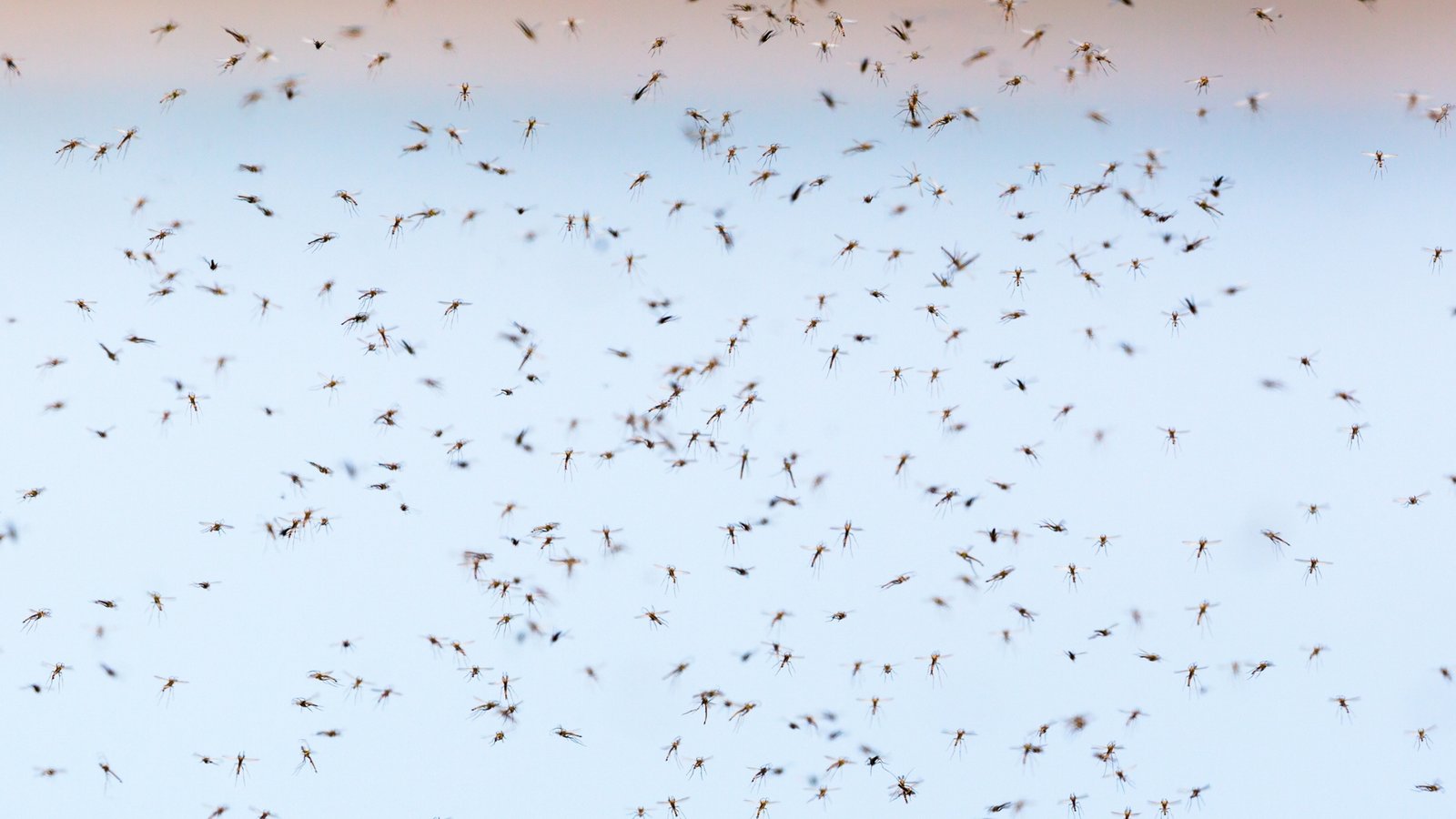
In places where malaria, dengue, Zika, yellow fever, and similar diseases spread, preventing mosquito bites is not optional. It is part of staying healthy on the trip. The plan is simple and layered: use an EPA-registered repellent on exposed skin, wear clothing treated with permethrin, sleep in an air-conditioned or screened room or under a treated bed net, and where the destination calls for it, take antimalarial medicine exactly as prescribed. No single step is enough on its own, so you stack them.
Malaria in particular is prevented by combining two things: avoiding bites and, where risk warrants, taking a preventive drug. CDC frames malaria prevention as “a combination of mosquito avoidance measures and chemoprophylaxis,” and it advises travelers to keep using personal protective measures such as repellent, long sleeves and pants, and an insecticide-treated bed net alongside any medicine (CDC Yellow Book, Malaria).
Before you go
Start weeks ahead, not the night before. Two questions drive everything else: what diseases spread where you are going, and what does the destination require or recommend.
Check destination risk and travel notices. CDC’s Travelers’ Health destination pages list the mosquito-borne diseases present in a given country and any current travel health notices. Risk is not uniform. For many destinations where malaria cases occur only sporadically, CDC recommends bite-avoidance measures only and no preventive drug, while other regions call for both (CDC Yellow Book, Malaria).
See a travel clinic. A travel health provider can match recommendations to your itinerary, your health history, and the length of your trip. This visit matters because some protection has to start before you leave. When antimalarial medicine is advised, “beginning the drug before travel allows the antimalarial agent to be in the blood before the traveler is exposed to malaria parasites” (CDC Yellow Book, Malaria). The right drug depends on where you are going, drug-resistance patterns there, your other medications and conditions, and cost, which is exactly the kind of decision a clinician should make with you (CDC Yellow Book, Malaria).
Consider antimalarials and required vaccines. Some countries require proof of yellow fever vaccination to enter, either for all arriving travelers or for those coming from areas with yellow fever risk, even after a brief layover (CDC Yellow Book, Yellow Fever Vaccine and Malaria Prevention Information, by Country). The yellow fever certificate becomes valid 10 days after vaccination and, since 2016, is valid for the life of the person vaccinated, so this is not a same-week task (CDC Yellow Book, Yellow Fever Vaccine and Malaria Prevention Information, by Country). Your travel clinic can tell you whether yellow fever or other vaccines apply to your route.
On the trip
Once you arrive, the daily routine is what protects you. Four layers, used together.
Use an EPA-registered repellent. Apply a repellent registered with the Environmental Protection Agency, containing one of the proven active ingredients: DEET, picaridin (also called icaridin or KBR 3023 outside the US), IR3535, oil of lemon eucalyptus (OLE), para-menthane-diol (PMD), or 2-undecanone. Follow the label. CDC notes that “when used as directed, EPA-registered insect repellents are proven safe and effective, even for pregnant and breastfeeding women” (CDC, Avoid bug bites). Products with OLE or PMD should not be used on children under 3 years old.
Wear permethrin-treated clothing. Treat clothing and gear with a 0.5% permethrin product, or buy pre-treated items. Permethrin kills or repels mosquitoes and holds up through repeated washings. One firm rule: “Do not use permethrin products directly on skin” (CDC, Avoid bug bites). Long-sleeved shirts and long pants add a physical barrier on top of the chemical one.
Sleep under a treated bed net when needed. If your room is not screened or air-conditioned, sleep under a mosquito net, ideally one treated with permethrin, which gives more protection than an untreated net. CDC advises travelers to “sleep under a mosquito net if you are outside or when screened rooms are not available” (CDC, Avoid bug bites).
Choose air-conditioned or screened lodging. Where you can, pick accommodations with air conditioning or intact window and door screens to keep mosquitoes outside while you sleep (CDC, Avoid bug bites). This is one of the easiest layers to arrange in advance when booking.
Pregnancy and Zika
If you are pregnant, the guidance is direct: do not travel to areas with Zika risk. Zika can pass from a pregnant person to the fetus and cause serious birth defects, which is why CDC advises pregnant women to avoid travel to areas with an active Zika travel health notice (CDC, Zika travel recommendations). If travel to such an area cannot be avoided, talk with your healthcare provider first and prevent mosquito bites rigorously during and after the trip. Because Zika can also spread through sex, preventing sexual transmission during and after travel matters too (CDC, Zika travel recommendations). Check the current Zika risk map before making plans, since the areas with risk change over time. See the Zika virus page in Related below for more detail.
After you return
You can be infected on a trip and not feel sick until you are home. Watch for fever. CDC’s plain instruction: “If you recently traveled and feel sick, particularly if you have a fever, talk to your healthcare provider, and tell them about your travel” (CDC, After travel tips).
Tell the doctor where you went. Travel history changes the diagnosis. Malaria, dengue, typhoid, chikungunya, and other infections all present with fever, and a clinician who does not know your itinerary can miss them (CDC Yellow Book, Post-Travel Evaluation of the Ill Traveler). For malaria specifically, fever after travel is a reason to seek care and get tested promptly, and the risk window can extend for up to a year after returning from an area where malaria spreads (CDC Yellow Book, Post-Travel Evaluation of the Ill Traveler). If your provider cannot pin down the cause, ask about an infectious disease or travel medicine specialist.
Sources
- CDC, Avoid bug bites (Travelers’ Health). Repellent active ingredients, permethrin 0.5% and “do not use on skin,” bed nets, screened or air-conditioned lodging. https://wwwnc.cdc.gov/travel/page/avoid-bug-bites (accessed 20 July 2026).
- CDC Yellow Book, Malaria (Travel-Associated Infections and Diseases). Combining avoidance and chemoprophylaxis, starting the drug before travel, low-risk destinations, drug-choice factors. https://www.cdc.gov/yellow-book/hcp/travel-associated-infections-diseases/malaria.html (accessed 20 July 2026; page returned 403, cited from CDC search result text).
- CDC, Preventing Malaria While Traveling (Malaria). See a provider before travel, take medicine as prescribed, prevent bites. https://www.cdc.gov/malaria/prevention/index.html (accessed 20 July 2026; page returned 403, cited from CDC search result text).
- CDC Yellow Book, Yellow Fever Vaccine and Malaria Prevention Information, by Country. Country entry requirements, certificate valid 10 days after vaccination and for life since 2016. https://www.cdc.gov/yellow-book/hcp/preparing-international-travelers/yellow-fever-vaccine-and-malaria-prevention-information-by-country.html (accessed 20 July 2026).
- CDC, Zika travel recommendations (Zika Virus). Pregnant travelers should avoid areas with active Zika travel health notices; prevent bites and sexual transmission; check the risk map. https://www.cdc.gov/zika/travel/index.html (accessed 20 July 2026; page returned 403, cited from CDC search result text).
- CDC, After travel tips (Travelers’ Health). See a provider if sick, especially with fever, and share where you traveled. https://wwwnc.cdc.gov/travel/page/after-trip (accessed 20 July 2026).
- CDC Yellow Book, Post-Travel Evaluation of the Ill Traveler. Fever after travel, importance of travel history, malaria testing, up-to-one-year window. https://www.cdc.gov/yellow-book/hcp/post-travel-evaluation/post-travel-evaluation-of-the-ill-traveler.html (accessed 20 July 2026).
Related
- Malaria (placeholder: /prevention/malaria)
- Dengue (placeholder: /prevention/dengue)
- Zika virus (placeholder: /prevention/zika-virus)
- Yellow fever (placeholder: /prevention/yellow-fever)
Educational note: This page is a general reference and is not medical advice. Mosquito-borne disease risk, vaccine requirements, and antimalarial recommendations depend on your specific destination and health history. Consult a travel health provider and check current CDC Travelers’ Health notices before you go.
Last reviewed 20 July 2026.